 AllergyPass
Bali Cultural Experiences
for Visitors with Food Allergies
Many Bali activities do not involve eating: dance performances, walks, crafts, and temple visits can all be planned without a meal. Cooking classes and ceremonies need a different conversation. This guide separates the two and gives you questions to ask before booking.
 Bali, Indonesia
Food-free cultural experiences: the full list
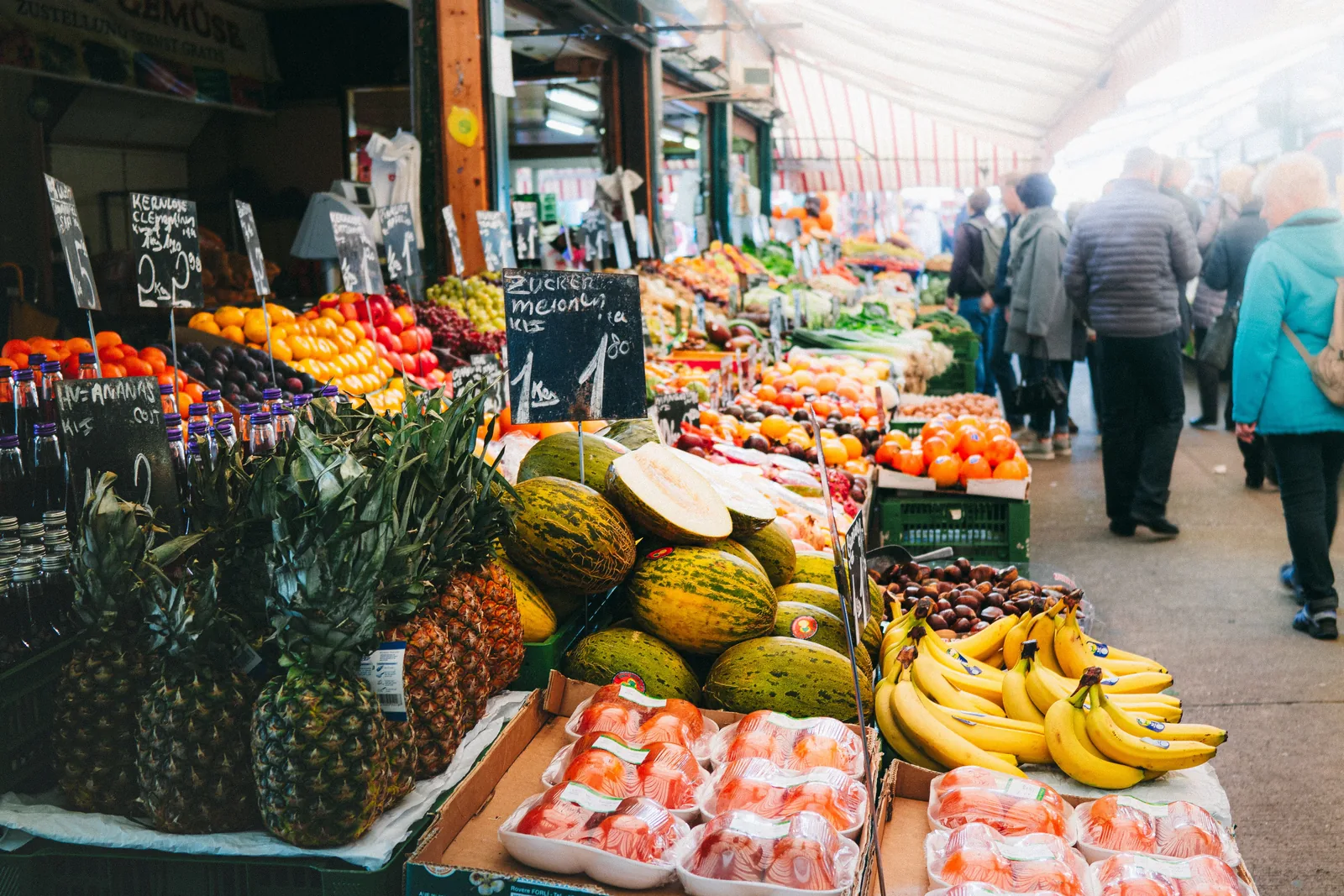
These activities may not involve eating, but confirm whether a tour includes refreshments, offerings, or a communal meal before booking.
Kecak fire dance at Uluwatu or Tanah Lot
Usually no mealKecak performances are primarily chanting, movement, and fire. Confirm whether your ticket or tour includes food or drinks, and ask where offerings or refreshments may be offered at the venue.
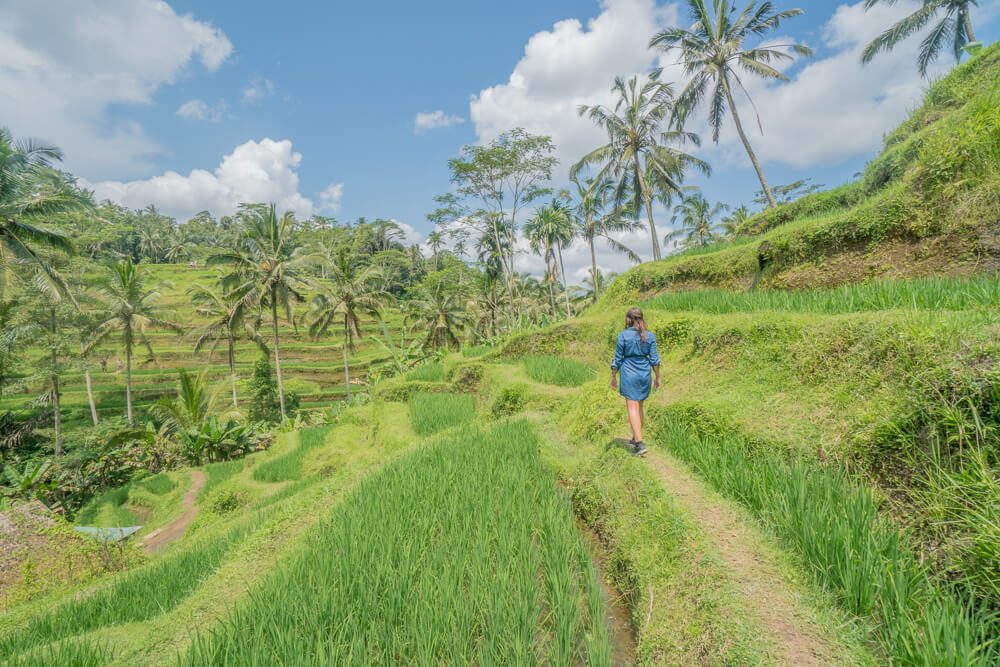
Tegallalang rice terrace walk (Ubud)
Usually no mealRice-terrace walks are not usually meal-based, but vendors may sell drinks and snacks along the route. Bring food and medication you have planned, and check whether a tour package includes a stop for eating.
Temple visits: Tanah Lot, Besakih, Tirta Empul
Offerings may be presentTemple visits and water-purification rituals do not necessarily involve eating, but offerings may be extended to visitors. Ask your guide what participation involves and decline politely if you cannot verify the ingredients. Saying "terima kasih" (thank you) and pressing your hands together can communicate respect.
Batik, silver, and traditional craft workshops
Usually no mealSilver and batik workshops are craft activities, but ask whether the booking includes a welcome drink, snack, or communal meal. Confirm any product or skin allergy separately from food allergies.
Waterfall hikes: Sekumpul, Gitgit, Nungnung
Usually no mealWaterfall hikes are not usually meal-based, but a tour may include a stop at a restaurant or market. Check the itinerary, bring food you have planned, and do not rely on a fixed travel-time estimate when arranging medication or meals.
Sunrise at Mount Batur
Food may be includedSunrise treks may include breakfast or drinks, depending on the operator and package. Ask what is provided, communicate your allergy before booking, and confirm that you may bring your own food if the ingredients or preparation cannot be verified.
Bali cooking classes: a food-contact activity to screen carefully
A Balinese cooking class can be a useful way to see how ingredients are prepared, but it is not automatically suitable for an allergy. Classes may begin with a market visit and then move to a kitchen where several dishes are prepared with shared tools.
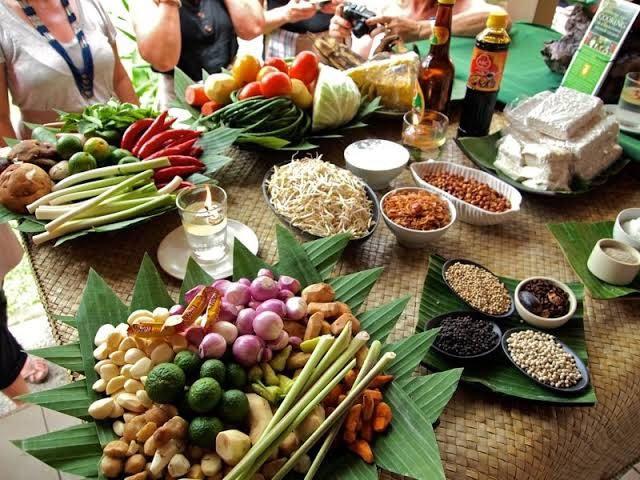
What to communicate before booking a Bali cooking class:
- Your specific allergen(s) and all derivatives (for shellfish: terasi, ebi, udang)
- Whether the class can prepare alternative spice paste without your allergen
- Whether the market visit portion involves sampling food or is observational only
- Whether the class uses a fixed ingredient list sourced in advance (more predictable) or market-sourced day-of
Balinese spice pastes hide shellfish (terasi) in dishes that look plant-based. Check specific Indonesian dishes for hidden allergens in the Allergy Risk Checker before a cooking class or market tasting.
This article is for informational and travel preparation purposes only and does not constitute medical advice. Always consult a qualified healthcare professional before traveling with a food allergy, and carry any prescribed emergency medication at all times. See our full medical disclaimer.