 AllergyPass
Where to Stay in Bali
with Food Allergies
Your Bali base will not make food safe, but it will shape your daily choices. Compare areas by the restaurants and packaged-food shops you would actually use, the kitchen in your accommodation, traffic, and how you would reach care if something goes wrong.
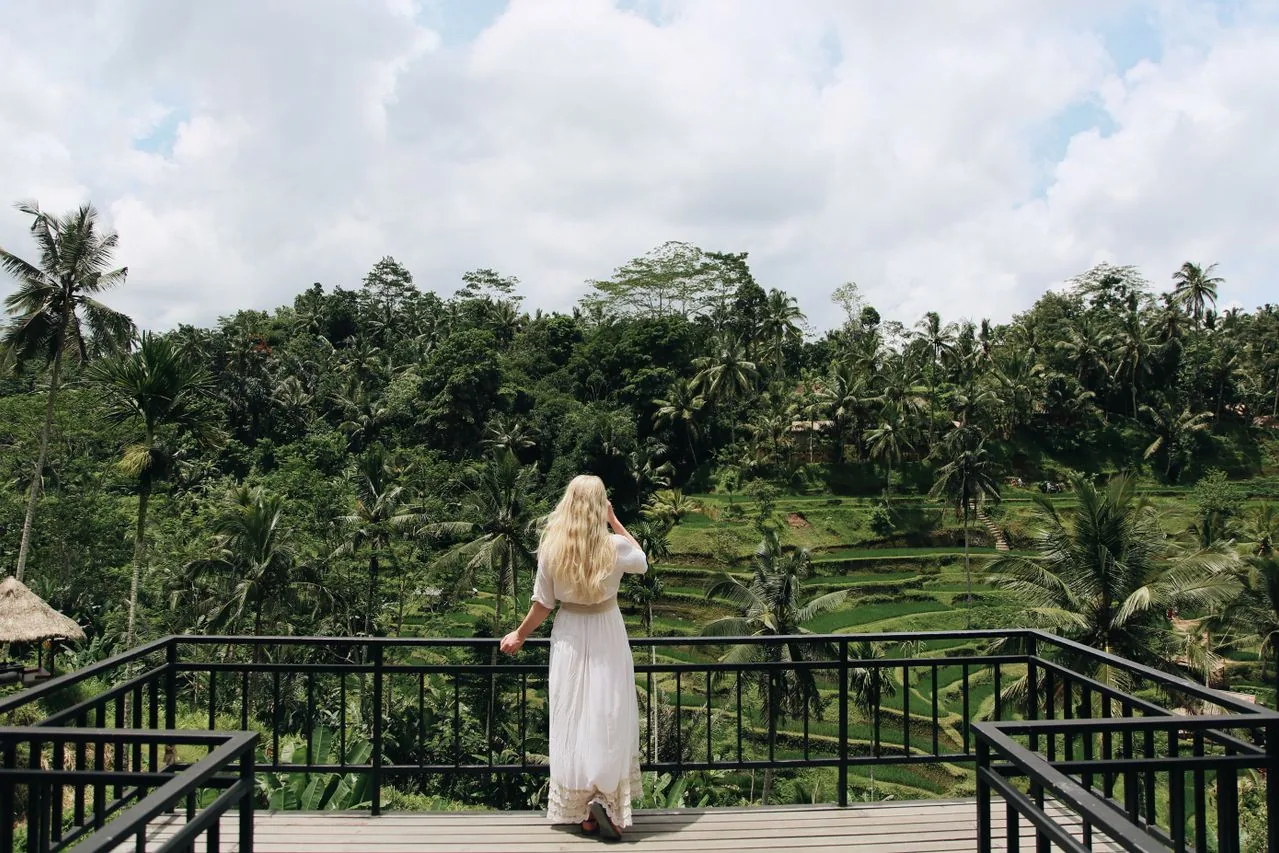 Bali, Indonesia
Why location matters more in Bali than most destinations
Bali's food needs recipe-level questions. Peanuts (kacang tanah) can appear in satay sauce, gado-gado, and sambals; shrimp paste (terasi) may be blended into a spice base or served separately; and coconut appears in many curries, sauces, desserts, and drinks. The language problem compounds this: the Indonesian word "kacang" can be ambiguous, so name the exact allergen and use a written card.
International restaurants, supermarkets, and accommodation styles are unevenly distributed across Bali. That makes area selection a planning decision, not a guarantee: a larger choice of venues gives you more options to screen, while a remote stay may mean carrying more backup food and asking fewer kitchens to handle your meals.
The full hidden allergen breakdown for Bali is in the Food Allergies in Bali guide.
Bali areas: allergy traveler breakdown
Seminyak
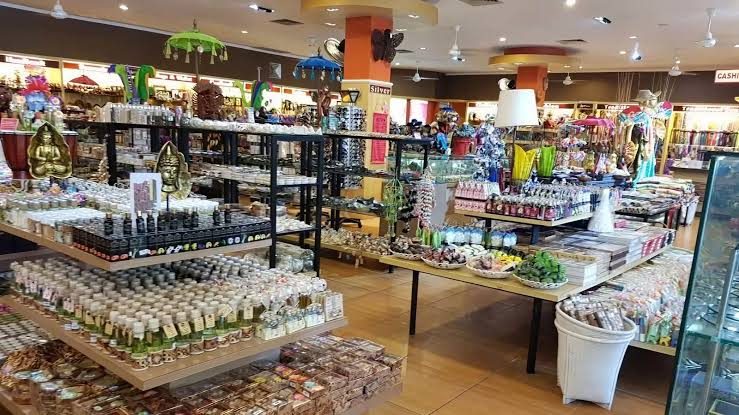
Seminyak can suit travelers who want several restaurants and shops to compare rather than relying on one venue. International-style menus may make questions easier to start, but they do not prove that a kitchen prevents cross-contact. Check imported labels yourself, especially for advisory statements and changing stock, and ask each restaurant about sauces, shared fryers, and preparation surfaces.
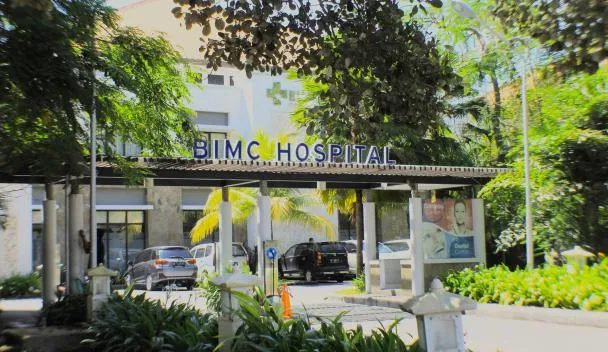
For care planning, identify the facility you would use and check the route from your actual accommodation. A short-looking map distance can take much longer in traffic. Confirm current emergency access and payment arrangements directly with the facility; do not treat a hotel listing or a neighborhood label as a medical guarantee.
Hotel options range from boutique villas to larger full-service properties. A private chef or an on-site restaurant can make direct communication easier, but neither removes the risk of shared ingredients or cross-contact. Confirm your exact requirements before booking and again before each meal.
Ubud
Ubud has many vegetarian, vegan, and wellness-oriented venues, but plant-based or “clean” does not mean free from peanuts, sesame, soy, coconut, or cross-contact. Ask how spice pastes, sauces, oils, and shared blenders are handled. Traditional warungs and specialty dishes need the same recipe questions as elsewhere.
Road travel to southern facilities can be affected by traffic. If you stay in Ubud, write down your preferred emergency route, keep medication with you, and ask the accommodation how it would help you reach care without delaying treatment.
Canggu
Canggu has a cafe and brunch-heavy scene, with international-style restaurants, smoothie bars, and Western-style menus alongside warungs and street food. Use a written allergy card and confirm the request with each kitchen. Familiar menu formats do not tell you whether a sauce, granola, oil, blender, or shared board has been checked.
Traffic and distance between venues can change your plans, so choose accommodation near the food routine you actually want. Ask whether your property has a refrigerator, a clean place to prepare backup food, and a staff member who can understand the request across shifts.
Nusa Dua
Nusa Dua can make a resort-centered routine simple to organize, but it also means you may depend on one or two hotel kitchens. Ask for written answers about breakfast, room-service sauces, buffets, shared serving utensils, kids’ menus, and whether the request is handed from reservations to the kitchen and restaurant team.
Local warungs and markets are less convenient from a resort base, especially when you need a backup meal quickly. Compare the cost and practicality of carrying packaged food with the cost of eating at the property, and confirm storage or preparation options before booking.
North Bali / Remote areas (Amed, Lovina, Candidasa)
Remote areas can be a good fit for a trip built around scenery and a self-managed food plan, but restaurants and packaged-food backups may be less convenient. Contact the property before booking, ask what food can actually be stored or prepared, and bring enough backup food for delays. Identify local transport and the nearest appropriate care option rather than assuming a transfer will be quick.
Frequently asked questions
How should I choose a Bali area with a food allergy?
Start with your daily routine rather than a neighborhood ranking. Compare the restaurants and packaged-food shops you would actually use, whether your accommodation has a usable kitchen or refrigerator, how much traffic affects trips between areas, and how you would reach care in an emergency. Seminyak and Canggu can suit travelers who want more international dining; Ubud and remote areas require more deliberate planning; Nusa Dua may work if you are comfortable coordinating meals with one resort kitchen.
How should I plan hospital access from my Bali accommodation?
Choose a facility and route before you need one, then recheck the current emergency entrance, contact details, payment process, and transport options before your trip. Traffic can change travel times substantially, so do not rely on a fixed estimate. For a life-threatening reaction, use your prescribed emergency medication and contact local emergency services first; do not wait for a hotel or tour operator to arrange care. Check the current Indonesia travel safety information and 112 service information before departure.
Do Bali hotels accommodate food allergies?
Some full-service hotels can coordinate a specific request with their restaurant kitchen, while villas, guesthouses, and smaller properties vary widely. No accommodation can promise an allergen-free kitchen. Email your exact allergens before booking, ask about breakfast, storage, shared equipment, and staff handover, and confirm the plan again on arrival.

This article is for informational and travel preparation purposes only and does not constitute medical advice. Always consult a qualified healthcare professional before traveling with a food allergy, and carry any prescribed emergency medication at all times. See our full medical disclaimer.