 AllergyPass
Goa Food Experiences
with Food Allergies
Goan cooking classes, feni tastings, and beach-shack meals involve different ingredients and preparation settings. Ask specific questions about cashew, coconut, seafood, shared equipment, and what happens when the answers are unclear.
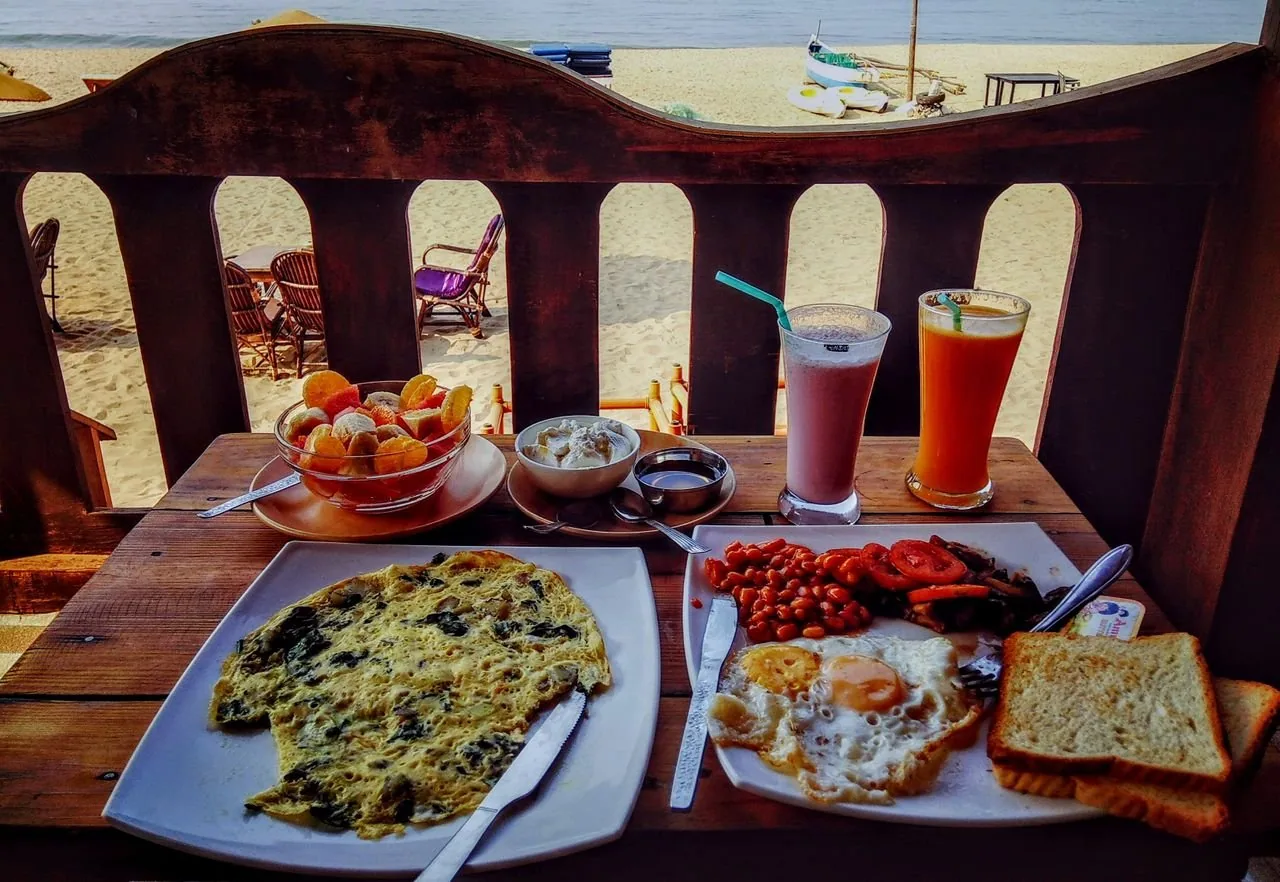 Goa, India
Beach shacks: what actually happens
Goa's beach shacks are casual kitchens built around seafood. Ask whether the fryer oil, grill, pans, knives, utensils, and serving surfaces are shared, and whether the dish contains coconut, cashew, fish, shellfish, or a paste or sauce made separately. A chicken or vegetable dish is not automatically free from seafood contact.
You can decide venue by venue, but set a clear threshold for the answers you need. If staff cannot explain the recipe or preparation, skip the dish rather than relying on its name or appearance.
Feni and cashew exposure
Feni is traditionally made from fermented cashew apples or coconut. Product and serving practices vary, so ask the producer or bar which base was used, whether anything was added after distillation, and what mixers or garnishes are included. The WHO food-allergen risk assessment discusses distilled products, but it does not verify a particular bottle or tasting. If you are unsure how your allergy applies to that product, discuss the decision with your allergy clinician before tasting.
Build a Hindi-English allergy card before your Goa food experience
Build My Goa CardCooking classes: what to check
A Goan cooking class may make the menu easier to inspect because ingredients are gathered for planned recipes. Ask whether coconut, cashew, fish, shellfish, wheat, dairy, or egg are used, whether substitutions are possible, and whether your portion can be kept away from shared bowls, pans, knives, and serving utensils. Do not assume that a class has an allergen-control process unless the operator explains it.
Contact the operator before booking, not on arrival, and name the allergen specifically. Ask the operator to repeat back what will be excluded and what shared equipment will still be used. If the response is generic, choose a different activity or skip the class.
Questions to ask before booking any Goa food experience
- Can you share the menu or tasting list in advance? Ask which recipes, drinks, or stops are included.
- Are coconut, cashew, fish, shellfish, wheat, dairy, or egg used? Ask about pastes, sauces, toppings, mixers, and garnishes.
- What shared equipment is involved? Include grills, fryers, pans, knives, bowls, and serving utensils.
- What happens if a stop cannot answer clearly? Confirm that you can skip it without pressure.
Before you book
Confirm that your chosen policy covers emergency treatment for an allergic reaction before you commit to a food-focused day in Goa. Keep your prescribed emergency medication accessible and save 112. Coverage for anaphylaxis, pre-existing conditions, evacuation, and other benefits depends on the current policy wording and your eligibility. Read the guide to comparing travel insurance for food allergies →
Frequently asked questions
What should I check before a feni tasting with a cashew allergy?
Ask whether the feni is made from cashew apples or coconut, whether anything was added after distillation, and what mixers or garnishes are included. Production and serving practices vary, and a description of the base spirit does not verify the finished drink. If you are unsure how your allergy applies to a particular product, discuss the decision with your allergy clinician before tasting.
What should I ask a Goan cooking class about food allergies?
Ask for the planned menu and ingredient list, whether coconut, cashew, fish, shellfish, wheat, dairy, or egg are used, and what shared equipment is involved. A class may make the menu easier to discuss, but it is not automatically suitable for every allergy. Keep the booking only if the operator gives specific answers you can understand and accept.
What food-allergy risks should I expect on Goa food experiences?
Ask about cashew, coconut, fish, shellfish, wheat, egg, dairy, feni, sauces, fryer oil, grills, and utensils. Beach shacks and classes involve different preparation settings, but no tour, restaurant, bar, or class can remove cross-contact risk. Skip an activity when the ingredients or handling cannot be explained clearly.