 AllergyPass
Paris Food Allergy Guide:
Markets, Bakeries & Bistros
Paris uses butter, wheat, and almond in many familiar foods. This guide covers the city's markets, bakeries, supermarkets, bistros, and neighborhood choices, with practical questions for checking ingredients and cross-contact before you order.
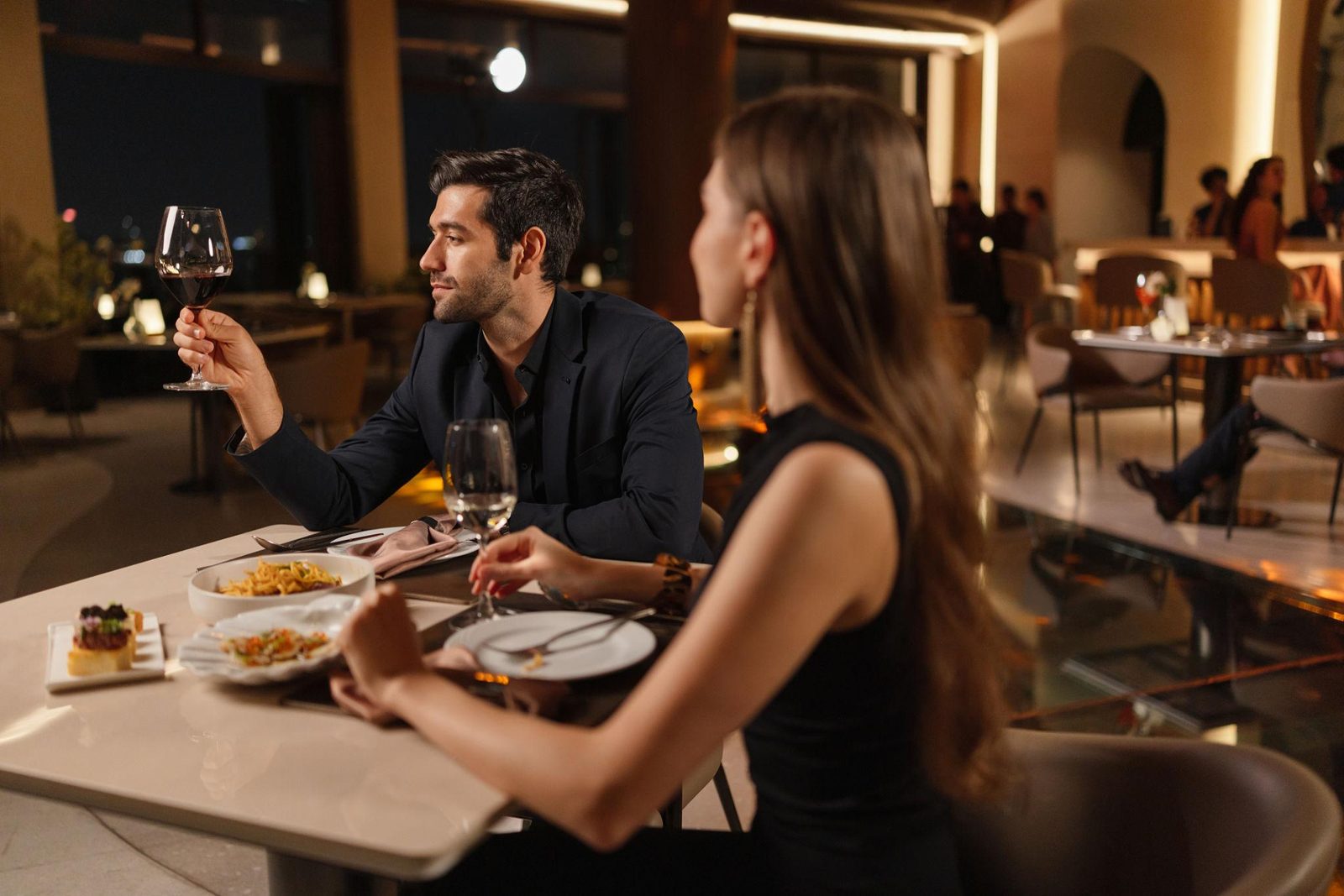 Paris, France
In this guide
Covered markets and open-air markets
Paris has historic covered markets (marchés couverts) and neighborhood open-air markets (marchés découverts). Marché des Enfants Rouges in the Marais dates to 1615 and mixes produce stalls with prepared-food vendors. Marché Bastille and the market area around Marché Mouffetard are other useful reference points, but schedules and individual vendors change, so check the City of Paris listing before you go.
A packaged product may have the same type of EU allergen information as a supermarket product, but read the label yourself and check how the item was packaged. Prepared and cooked-to-order food is a different matter: each stall is its own small kitchen, so treat every vendor like a separate restaurant. Ask about ingredients, sauces, utensils, and shared preparation rather than assuming a market is a lower-risk setting.
Boulangeries and patisseries: questions about wheat, dairy, and nuts
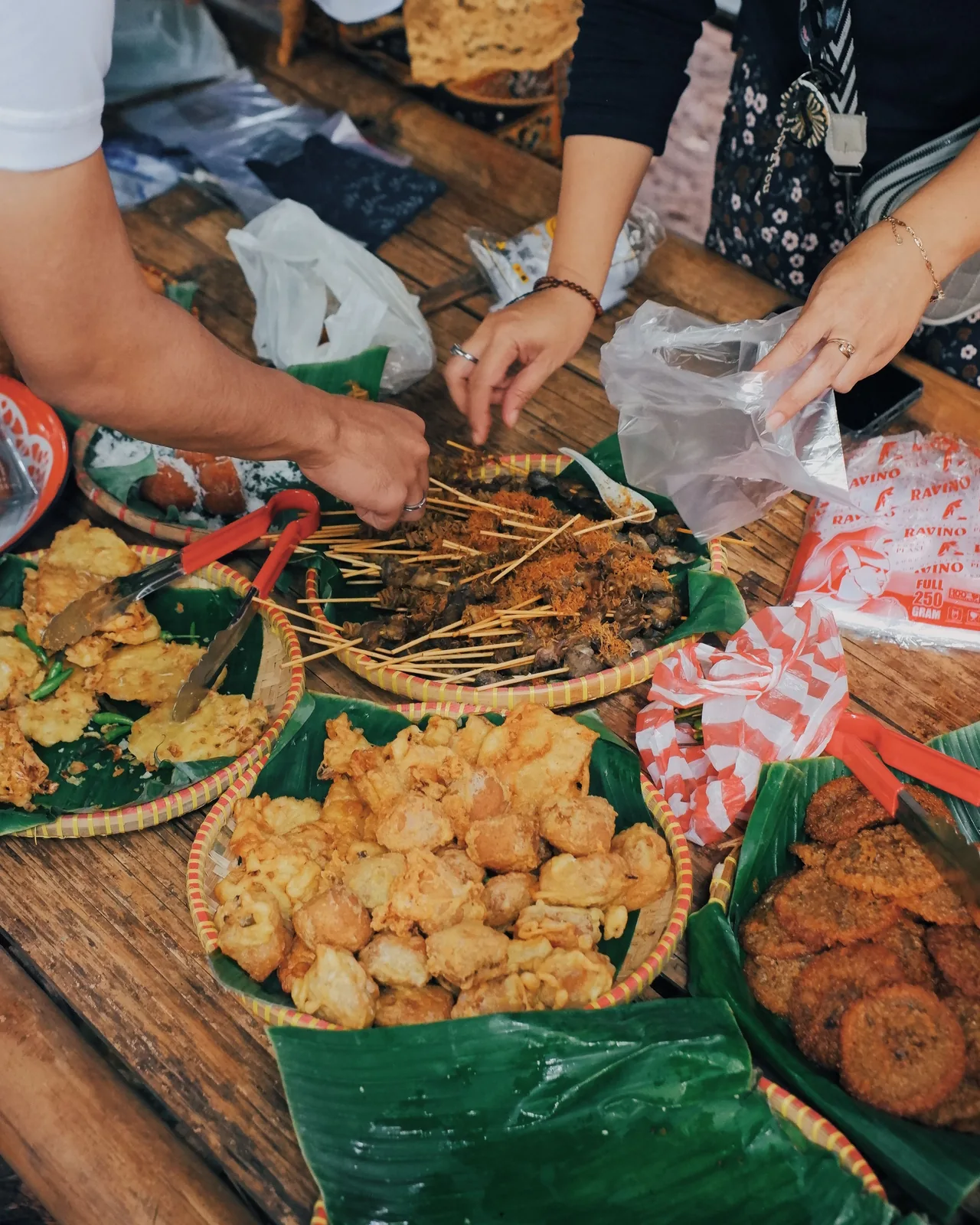
A traditional Paris boulangerie needs careful checking for tree-nut allergy. Almond appears in items such as galette des rois, croissant aux amandes, and macarons, while trays, display cases, tongs, and work surfaces may be shared with other pastries. Ask how the shop handles the specific item you want.
Wheat is common in the bread, viennoiserie, sandwiches, and quiches sold in a traditional boulangerie. For celiac disease or another condition requiring strict gluten avoidance, ask about shared trays, tongs, work surfaces, and ovens; a substitution request may not address the preparation environment.
Butter is common in viennoiserie, and cream fillings or glazes appear in some pastries. Ask separately about dairy, almonds, other tree nuts, and shared equipment. If staff cannot explain the recipe or handling clearly, choose a different food or shop.
Get a French-English allergy card that flags butter, wheat, and almond separately
Build My Paris CardSupermarkets and grocery chains
Supermarkets such as Monoprix, Franprix, and Carrefour City are useful when you need packaged food, but read the complete ingredient list and any advisory wording yourself. Naturalia and Biocoop may carry more products marketed as gluten-free or free from a particular ingredient, but product ranges differ by branch and a front-of-pack claim does not answer every cross-contact question.
La Grande Épicerie de Paris, attached to Le Bon Marché in the 7th arrondissement, is another place to browse packaged products and prepared foods. Check the label or ask the counter staff about each item; a large food hall is not automatically a separate allergy-preparation environment.
Paris dishes and venue types to check closely
Egg appears in Paris pastry, sauces, and many bistro dishes. If egg is a specific concern for your trip, see the dedicated egg allergy travel card guide alongside this page.
Which arrondissement is easiest for allergy communication
Le Marais (3rd / 4th)
The Marais combines the city's oldest covered market with many restaurants and grocery options around Rue de Bretagne and Rue des Francs-Bourgeois. Use the location for access and convenience, not as proof that a particular kitchen understands your allergy. Ask before ordering and carry the French card.
Saint-Germain-des-Prés (6th) and the 7th
These neighborhoods offer access to La Grande Épicerie and many restaurants used to international visitors. A higher price or international clientele may make advance communication easier, but it does not guarantee a suitable meal. Call ahead for tasting menus or complex dishes.
Bastille / 11th arrondissement
Bastille offers access to Marché Bastille and a broad restaurant scene. Dedicated gluten-free businesses may be available nearby, but locations and opening hours change. Research the current venue, ask about cross-contact, and keep a French card ready.
Latin Quarter (5th)
Rue Mouffetard is a useful market area, while nearby restaurants vary from traditional bistros to international options. Written French communication is especially helpful when staff cannot answer detailed questions in English.
Dedicated gluten-free and allergen-free options
Paris has dedicated gluten-free bakeries and restaurants, but businesses open, close, move, and change their procedures. For celiac disease or another condition requiring strict gluten avoidance, ask how the venue controls cross-contact rather than relying on the words "sans gluten" alone. For the broader continent-wide picture, see the celiac travel guide.
Emergency information for Paris
If you think you are having anaphylaxis, follow your personal action plan, use prescribed emergency medication as directed, and call for urgent medical help. This is general travel information, not a replacement for advice from your doctor or allergist.
- Emergency number: 15 (SAMU, medical emergencies), 112 (European emergency number, works from any phone)
- American Hospital of Paris — 63 Boulevard Victor Hugo, 92200 Neuilly-sur-Seine, +33 1 46 41 25 25. Private, English-speaking staff throughout, 24/7 emergency unit for patients 16 and older. Widely used by international visitors.
- Hôpital Lariboisière (AP-HP) — 2 Rue Ambroise Paré, 75010 Paris, +33 1 49 95 65 65. Public teaching hospital near Gare du Nord, emergency department open 24 hours every day. No advance English guarantee, but SAMU dispatch coordinates care.
- Medication: Look for the green cross sign (pharmacie), but carry your own prescribed emergency medication with you rather than relying on a local replacement.
- Key emergency phrase: J'ai une réaction allergique grave, appelez le 15: I'm having a severe allergic reaction, call 15.
Build your Paris allergy card before you land. French-English, covers butter, wheat, and almond by name.
Build My Paris CardSources and current details
Market names, locations, and schedules change. Check the City of Paris page for Marché des Enfants Rouges and the City of Paris page for Marché Bastille before visiting. For emergencies, see the official French emergency-number guidance.
Frequently asked questions
Is Paris safe for travelers with food allergies?
Paris is manageable with preparation, but butter, cream, wheat, and almond appear in many familiar foods. Packaged products are easier to check than prepared food, while markets and restaurants still require questions about ingredients and cross-contact. Choose venues based on the information they can give you, not only on neighborhood or price.
What are Paris's covered food markets, and are they safer for allergies?
Paris has covered and open-air markets, including Marché des Enfants Rouges, Marché Bastille, and Marché Mouffetard. A packaged product may have an ingredient label, but prepared and cooked-to-order food depends on the individual vendor. Treat each stall like a separate small restaurant and ask about the recipe and shared equipment.
Are Paris boulangeries and patisseries safe for tree nut allergies?
Traditional boulangeries and patisseries need careful checking for tree-nut allergy because almond appears in many pastries and equipment may be shared. Ask about the recipe, trays, tongs, display cases, and work surfaces. A dedicated gluten-free or allergen-aware bakery may offer more separation, but verify its current practices directly.
Which Paris neighborhood is easiest for food allergy communication?
The Marais and Saint-Germain-des-Prés offer central access to supermarkets, markets, and many restaurants, while Bastille and the Latin Quarter offer different market and dining options. No arrondissement guarantees better allergy communication. Choose a venue where staff can answer specific questions in French or English, and carry a written card.