 AllergyPass
Celiac Travel Guide:
Plan the Food Before You Go
Celiac travel is less about finding a universally “safe” country and more about knowing what to ask in the places you will actually eat. This guide covers restaurant screening, labels, shared equipment, destination-specific food patterns, and written communication that helps you make a clear decision at the table.
Build a celiac allergy card in the language of wherever you are traveling. Specify wheat, barley, rye, and cross-contamination by name.
Build My Celiac CardIn this guide
Compare the food system, not the country
| Destination | Planning fit | Helpful starting points | Questions to ask |
|---|---|---|---|
| Italy | AIC’s participating-venue network and naturally gluten-free foods such as rice and polenta | Is the venue in the AIC network? Is pasta cooked in separate water? | |
| Japan | Rice-based meals and packaged-food labels that identify wheat | Does the dish use shoyu, a seasoning base, or packaged dashi? Is the kitchen able to use clean utensils? | |
| Spain | FACE-linked information and rice-based dishes such as paella | Are breaded foods fried in the same oil? Can tapas be prepared separately? | |
| France | Packaged-food labeling and specialist shops in larger cities | Which sauces contain flour? Can bread and crumbs be kept away from the plate? | |
| Germany and Austria | EU packaged-food labeling and supermarket options | Are schnitzel, sausages, sauces, and fries made separately? Is the beer gluten-free? | |
| Vietnam | Rice, rice noodles, and rice paper are useful starting points | What is in the broth and seasoning? Are wheat noodles or shared utensils used in the same station? | |
| Thailand | Rice and rice noodles appear in many dishes | Does the wok use soy sauce, oyster sauce, seasoning powder, or wheat noodles? | |
| Malaysia and Indonesia | Rice and cassava are common staples | Does the dish use kecap manis, soy sauce, wheat noodles, or a shared hawker wok? | |
| South Korea | Rice is a useful base, and specialist options exist in larger cities | Which fermented pastes, sauces, broths, and marinades are used? Are banchan shared? | |
| Cambodia | Rice is common, but options need to be checked individually | Can the cook understand the card and explain sauces, utensils, and shared cooking surfaces? |
Best countries for gluten-free travel
These are the destinations from the comparison above with the most verifiable support, ranked by the specific mechanic that makes each one easier to navigate. “Best” does not mean safe: none of these remove the need to check ingredients and preparation, and each still requires the same conversation at the table as anywhere else. What changes is how much you can confirm before you sit down.
- Italy. The Italian Celiac Association (AIC) maintains a participating-venue network you can check before booking, and naturally gluten-free staples such as rice and polenta widen the menu — but a venue’s listing still needs confirming on separate pasta water, a clean surface, and a fryer that is not shared with breaded food.
- Japan. The Consumer Affairs Agency’s allergen-labeling guidance makes wheat identifiable on packaged food, and a rice-based food culture gives plain rice and simply grilled dishes as a starting point — but shoyu and dashi commonly hide wheat, so the sauce and stock still need to be checked by name.
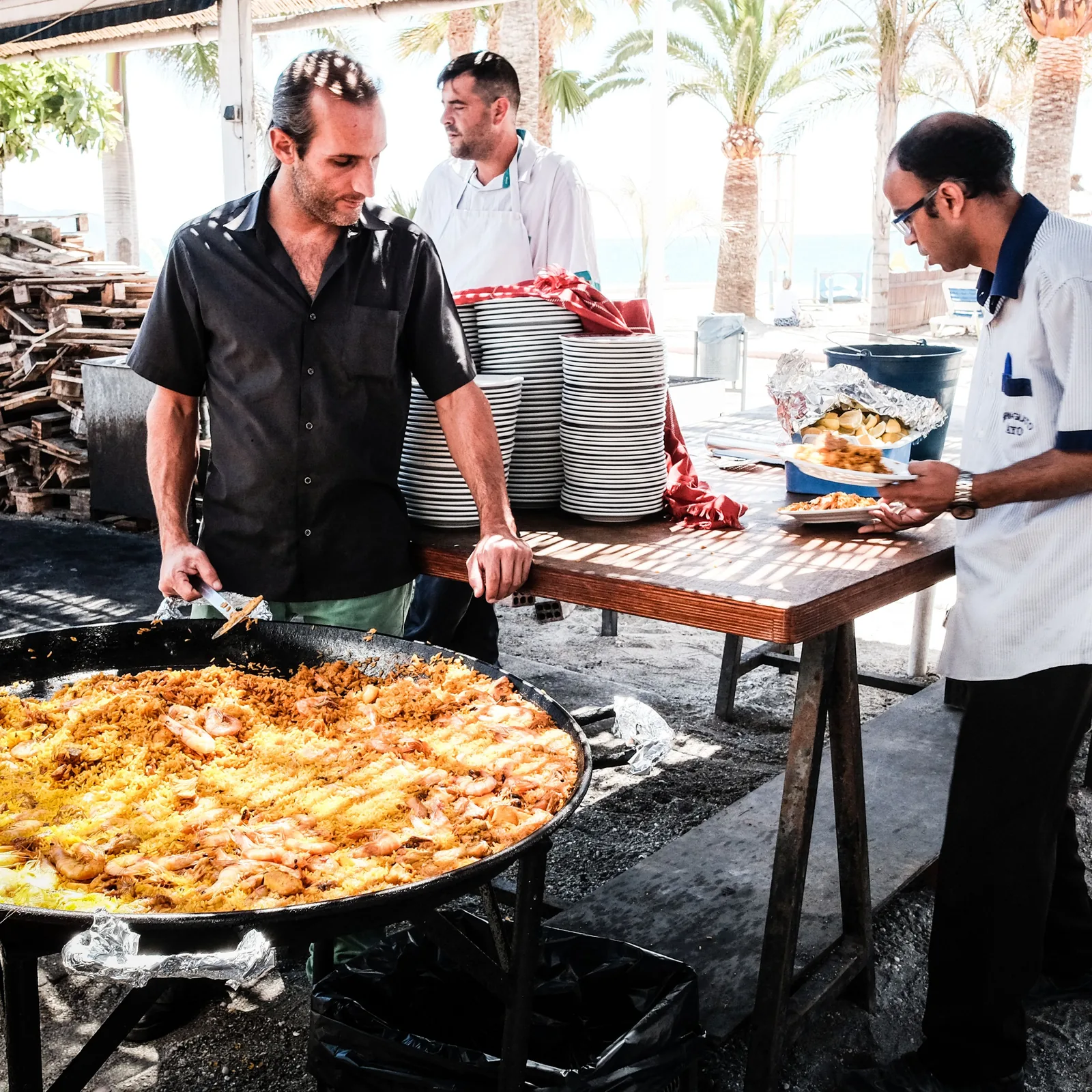
- Spain. FACE-linked resources give you a celiac community and information to plan from before you travel, and rice-based dishes such as paella are a natural starting point — but bread, croquetas, and shared tapas equipment mean each dish still needs the kitchen to confirm how it was prepared.
Hardest countries for gluten-free travel
These are the destinations from the comparison above that take the most preparation, ranked by the specific mechanic that makes each one hard to navigate. None are off-limits; each is workable once you know what to check.
- Cambodia. No national celiac association or certification network exists to anchor a shortlist, so every kitchen has to be assessed individually and the cook is your only source of information on sauces and shared surfaces.
- South Korea. Fermented pastes, sauces, and marinades are built into the base of most dishes, and shared banchan side dishes make it hard to isolate a single gluten-free plate.
- Malaysia and Indonesia. Kecap manis, a wheat-based sweet soy sauce, is a default seasoning in hawker cooking, and a shared wok can carry it into a dish that otherwise looks rice-based.
- Thailand. Soy sauce, oyster sauce, and seasoning powder are wok staples a cook may not think to mention, so a rice-noodle dish can still carry wheat.
- Vietnam. Broth bases, seasoning, and shared utensils at noodle stalls introduce wheat that a “rice noodle” description does not rule out.
- Germany and Austria. Schnitzel, sausages, and fries are commonly fried in shared oil, and sauces are more often wheat-thickened than not, so a dish’s name does not tell you how it was prepared.
Italy: useful formal support, but still verify
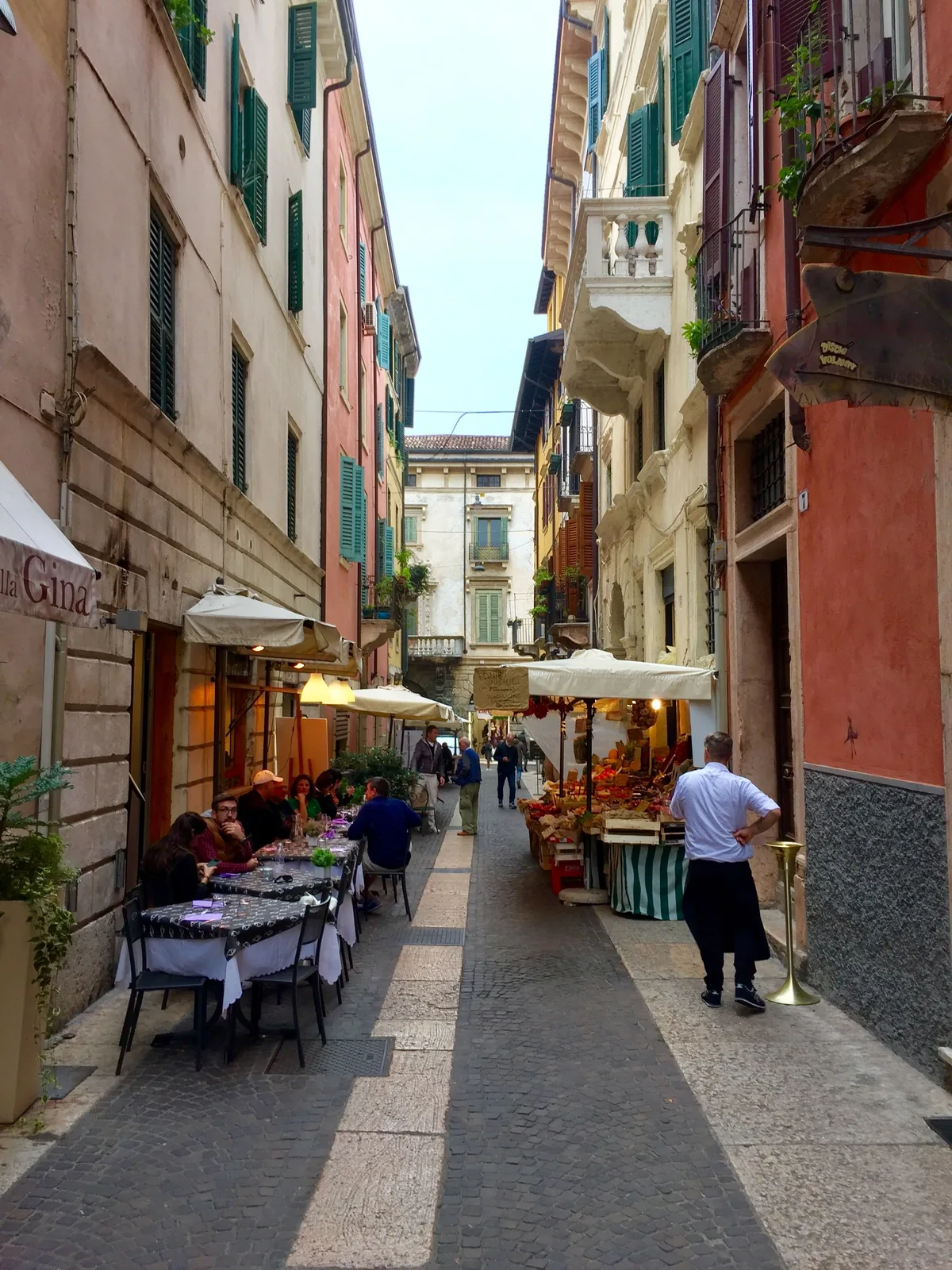
Italy is often easier to plan than destinations where there is no visible celiac network, but a logo or gluten-free menu is not a substitute for asking how the meal is prepared. The Italian Celiac Association (AIC) maintains an Alimentazione Fuori Casa network. Its official information explains how participating venues are identified, and the AIC Mobile Welcome option is available to visitors for a limited period.
Use that network to build a shortlist, then confirm the details directly: separate pasta water, a clean work surface, separate utensils, and a fryer that is not shared with breaded food. A non-network restaurant may still be able to prepare a suitable meal, but you should not have to guess.
Risotto is rice-based and polenta is corn-based, but the preparation still matters: stock, seasoning, grated cheese, and the cooking surface can introduce gluten. Gluten-free pasta should be cooked in clean water with clean equipment; shared pasta water is not an acceptable shortcut for someone with celiac disease.
Italian phrase to show: Sono celiaco/celiaca. Ho bisogno di cibo senza glutine con cucina dedicata, senza contaminazione crociata. (I am celiac. I need gluten-free food prepared in a dedicated kitchen, without cross-contamination.)
Full Italy guide including AIC certification, hidden allergens, Italian phrases, and where allergy communication works best.
Celiac cardA celiac-specific card that names celiachia and asks about shared pasta water and fryer oil, the two risks "senza glutine" alone misses.
Japan: rice-first with a soy sauce trap
Japan's food culture is rice-based, so plain rice, sashimi, and simply grilled foods can be useful starting points. For packaged foods, the Consumer Affairs Agency’s allergen-labeling guidance explains how wheat is identified. Read the actual label rather than relying on a “rice-based” description, and remember that restaurant food is not covered by the same packaged-label system.
The recurring trap is shoyu, which commonly contains wheat. It can appear in sushi seasoning, teriyaki marinades, ramen tare, yakitori glaze, and simmered dishes. Tamari may be a suitable alternative only when the bottle is confirmed gluten-free and the kitchen can avoid cross-contact; do not assume that “tamari” alone answers every question.
Dashi also needs checking. A simple kombu-and-bonito stock is different from an instant or blended seasoning base, which may contain additional ingredients. Ask what is in the stock and whether the kitchen can use clean utensils and a separate pot.
Japanese celiac phrase (show written, do not speak)
私はセリアック病です。小麦、大麦、ライ麦を含む食品は食べられません。醤油もたまり醤油に替えていただけますか。
(Watashi wa seriakku byo desu. Komugi, omugi, raimugi wo fukumu shokuhin wa taberaremasen. Shouyu mo tamari shouyu ni kaete itadakemasu ka.)
I have celiac disease. I cannot eat food containing wheat, barley, or rye. Can you substitute tamari for soy sauce?
Japan’s current packaged-food labeling guidance, dashi and soy sauce risks, Japanese phrases, and restaurant screening questions.
Tokyo diningGluten-free ramen in Tokyo, depachika food halls, and restaurant types by risk for celiac travelers.
Spain: FACE certification and the tapas risk
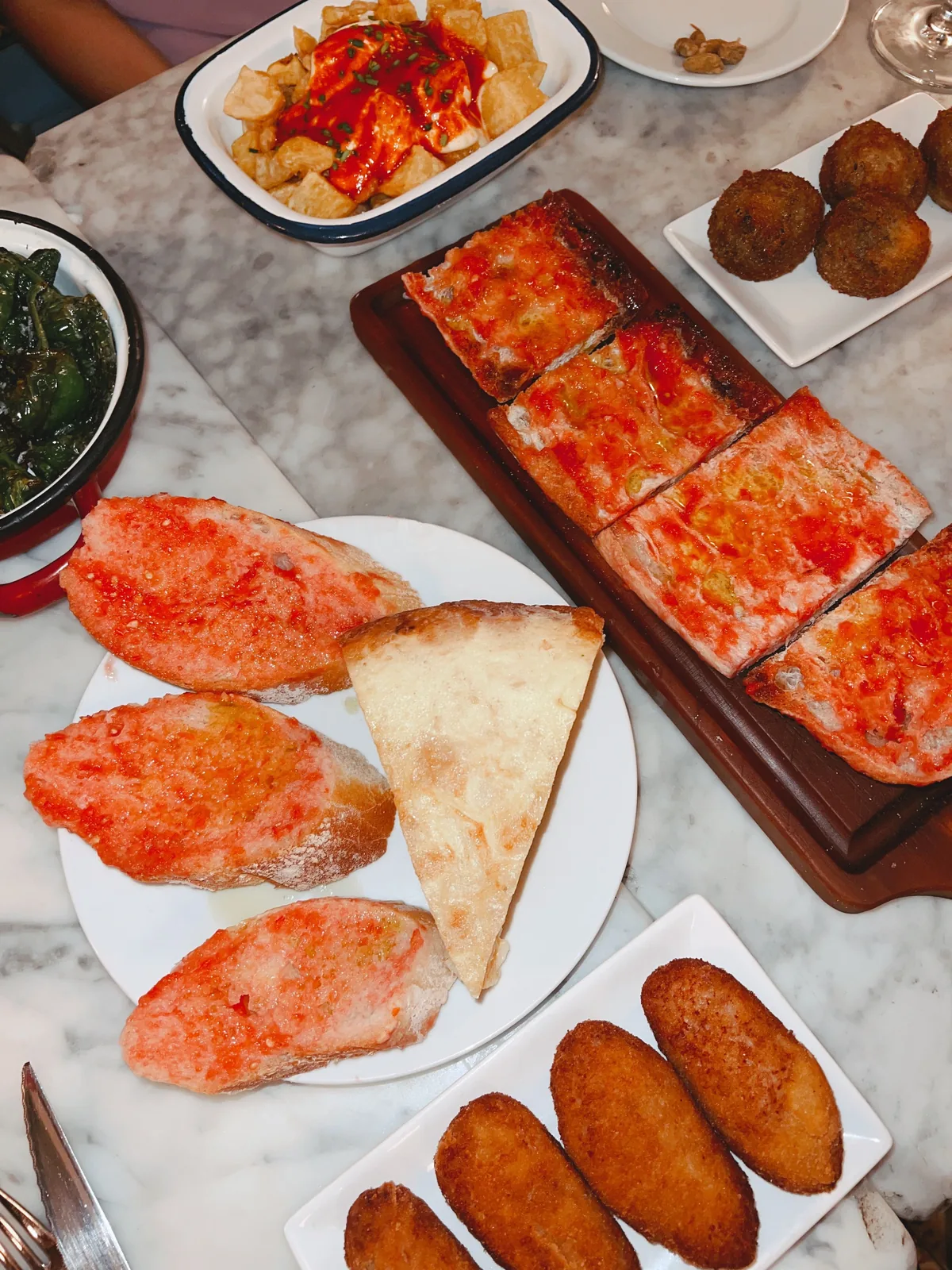
Spain has a visible celiac community and FACE-linked resources can help you find information before you travel. That does not make every restaurant interchangeable. Wheat appears in bread, croquetas, rebozados, sauces, and desserts, so ask the person cooking the dish rather than treating a gluten-free symbol as a complete explanation.
Tapas deserves extra attention because small plates, shared serving tools, bread on the table, and busy fryers create several cross-contact points. Ask whether the kitchen can prepare one plate separately, and leave if the staff cannot answer clearly.
Spanish phrase to show: Tengo enfermedad celiaca. No puedo comer nada que contenga gluten, incluyendo trigo, cebada, o centeno. Tambien necesito evitar la contaminacion cruzada.
Southeast Asia: rice-first with hidden soy sauce traps
Rice is a useful starting point across much of Southeast Asia: pho uses rice noodles, pad thai is usually made with rice noodles, and rice or cassava appear in many Indonesian and Malaysian meals. “Rice-based” still does not tell you what is in the broth, sauce, garnish, or cooking oil.
Soy sauce, oyster sauce, kecap manis, seasoning powders, and wheat noodles are the details to check. Their use varies by cook and restaurant, so ask about the actual recipe. A plain-looking stir-fry can still contain a wheat-based sauce, and a rice noodle dish can be cooked in a wok or with utensils that have just touched wheat.
The most detailed celiac guide for Southeast Asia. Safe dishes, soy sauce risks, banh mi, and how to communicate celiac in Vietnamese.
Regional hubRegional overview covering all five major SEA destinations for celiac and allergy travelers.
Universal hidden gluten sources across destinations
These appear across multiple destinations and are easy to miss if you focus only on bread and pasta. The Celiac Disease Foundation’s guidance on gluten sources and cross-contact is a useful reference when preparing your questions:
Soy sauce: Contains wheat in most Asian and many Western restaurant kitchens. Ask for tamari (wheat-free) or specifically name soy sauce on your card.
Malt vinegar: Made from barley. Used in UK-style fish and chips and some salad dressings. Specify white wine vinegar or rice vinegar as an alternative.
Oyster sauce: Used across Chinese-influenced cooking in Asia. Contains wheat as a thickener. Appears in stir-fries, noodle dishes, and marinades.
Wheat-thickened sauces: Gravy, beurre blanc, bechamel, and many hotel buffet sauces are thickened with wheat flour. Ask specifically about sauce bases, not just main ingredients.
Shared fryer oil: Wherever wheat products have been fried (tempura, croquetas, chicken nuggets), the fryer oil carries gluten. Cross-contamination from shared fryers is a consistent risk across all destinations.
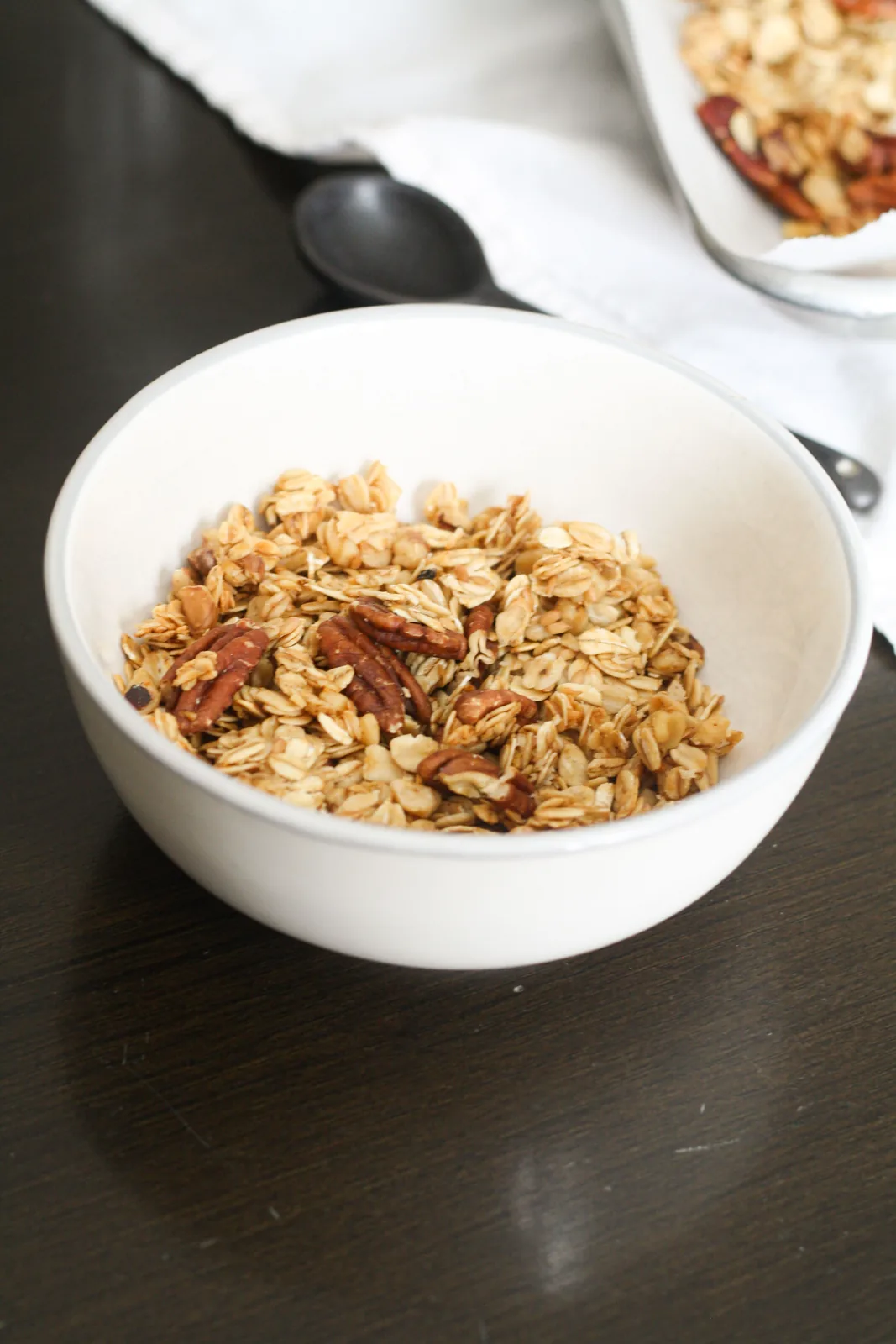
Oats: Not inherently gluten-containing but frequently contaminated with wheat during growing and processing unless certified gluten-free. Relevant in European countries where porridge and muesli are common breakfast items.
Beer: Brewed from barley unless specifically labelled gluten-free. This includes beer used in cooking (beer-battered fish, beer-braised dishes).
Celiac communication in 8 languages
Italian
Sono celiaco/celiaca. Ho bisogno di cibo senza glutine, preparato in una cucina dedicata senza contaminazione crociata. Non posso mangiare grano, orzo o segale.
Japanese
私はセリアック病です。 小麦、大麦、ライ麦を含む食品は食べられません。醤油の代わりにたまり醤油をお願いします。
Spanish
Tengo enfermedad celíaca. No puedo comer nada con gluten: trigo, cebada ni centeno. Tampoco puedo comer nada cocinado en aceite o con utensilios contaminados con gluten.
French
Je suis cœliaque. Je ne peux pas manger de gluten : blé, orge ou seigle. J'ai besoin que mes plats soient préparés sans contact avec des ingrédients contenant du gluten.
German
Ich habe Zöliakie. Ich darf kein Gluten essen: keinen Weizen, keine Gerste und keinen Roggen. Bitte achten Sie auf Kreuzkontamination in der Küche.
Vietnamese
Tôi bị bệnh celiac. Tôi không ăn được bột mì, lúa mạch và lúa mạch đen. Tôi cũng không ăn được nước tương vì có chứa lúa mì. Xin đừng để thức ăn của tôi tiếp xúc với thực phẩm có chứa gluten.
Thai
Chan pen rook celiac. Chan kin phaeng sali, phaeng khao bali, rue phaeng rye mai dai. Nam jim sii iu mee phaeng sali yu nai, chuay plian pen nam jim tamari.
Bahasa Indonesia / Malay
Saya mempunyai penyakit celiac. Saya tidak boleh makan gluten: gandum, barli, atau rai. Kicap juga mengandungi gandum, saya tidak boleh makan kicap biasa. Tolong gunakan kicap tanpa gluten.
Celiac pre-trip checklist
- Build your allergy card in the local language, specifying wheat, barley, rye, and soy sauce by local name
- Download the AIC app before visiting Italy. Download celiac.es before visiting Spain
- Identify your nearest supermarket with gluten-free labeled products at your destination
- Research your hotel's kitchen capacity for gluten-free preparation and email before arrival
- Pack gluten-free snacks for travel days when restaurant options are limited
- Confirm your travel insurance covers celiac-related medical incidents
- In Asia specifically: add soy sauce to your card as an explicit ingredient to avoid, not just wheat
Frequently asked questions
How should I choose a destination with celiac disease?
Choose based on the support you can verify, not a country ranking. Check for a local celiac association or restaurant network, learn the destination’s common gluten sources, and email restaurants or hotels with specific questions about sauces, fryers, utensils, and shared preparation areas. Italy can offer useful AIC resources, while rice-based cuisines in Japan and Southeast Asia still require careful screening.
Can I travel through Southeast Asia with celiac disease?
Yes, but treat rice and rice noodles as a starting point rather than a guarantee. Ask about soy sauce, oyster sauce, seasoning powders, marinades, wheat noodles, and shared woks or fryers. A written card should name wheat and cross-contact, and it should identify local terms for soy sauce. If staff cannot explain the ingredients or preparation, use a packaged backup instead of guessing.
What gluten sources should celiac travelers check abroad?
Check sauces and gravies, soy sauce, oyster sauce, hoisin sauce, malt vinegar, beer and beer batter, breaded foods, shared fryer oil, and oats that are not certified gluten-free. Also ask about shared utensils, pasta water, cutting boards, and cooking surfaces. A dish made from rice, meat, or vegetables can still be unsafe if it is prepared in a shared kitchen.
This article is for informational and travel preparation purposes only and does not constitute medical advice. Always consult a qualified healthcare professional before traveling with a food allergy, and carry any prescribed emergency medication at all times. See our full medical disclaimer.