 AllergyPass
Ho Chi Minh City Food Allergy
Travel Guide
Ho Chi Minh City gives you a wide range of food options, but its busy stalls and restaurant kitchens still require careful questions. Peanut-based sauces, shellfish, fish sauce, and shared woks can be easy to miss. This guide helps you plan the conversation, the neighborhood, and the backup plan.
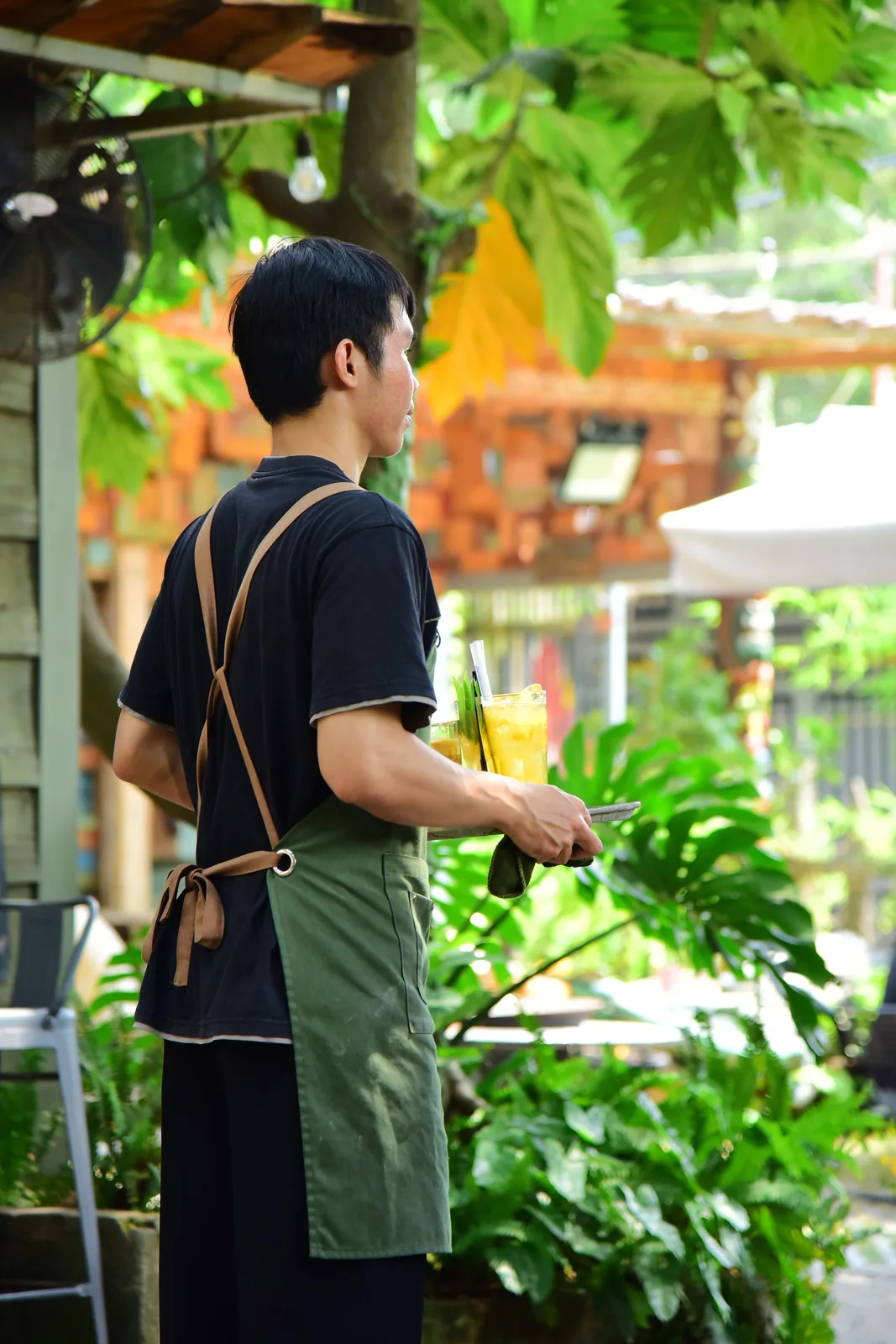 Ho Chi Minh City, Vietnam
A useful preparation step for Ho Chi Minh City is to build your Vietnamese-language allergy card before you land.
Build My Ho Chi Minh City Allergy CardThe Ho Chi Minh City allergen problem in plain terms
Southern Vietnamese dishes often arrive with a dipping sauce or topping that is separate from the main item, so a dish can look simple while the accompanying sauce changes the allergy picture. Goi cuon may contain shrimp and may be served with a peanut-based sauce. Ask whether the rolls, sauce, and preparation surface are suitable for your allergy. Bun thit nuong can also be finished with peanuts or a peanut-based sauce, depending on the stall.
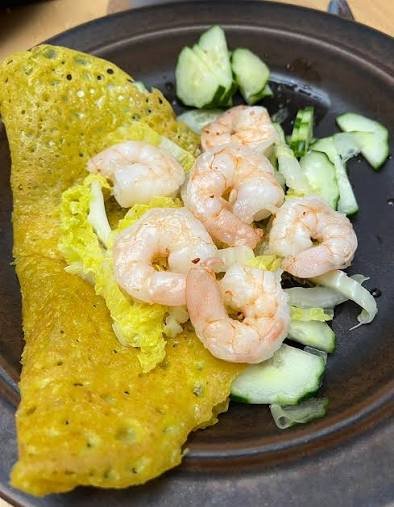
Banh xeo, the crisp turmeric rice pancake, may contain shrimp or other seafood and is often served with herbs, lettuce, and a dipping sauce. Ask about the batter, filling, sauce, cooking surface, and shared oil rather than relying on the dish name. Com tam (broken rice with grilled pork) still needs a check for its fish-sauce-based dressing, toppings, grill, and any shared fryer.
Cho Lon, the historic Chinese quarter in District 5, adds more dishes where soy sauce, wheat noodles, oyster sauce, shrimp products, and shared woks may matter. Fish sauce also appears in many Vietnamese dishes across the city. If the ingredient is important to your allergy decision, ask to see the bottle or confirm the recipe with the cook; do not assume that a familiar dish name describes every version.
Ho Chi Minh City's core hidden allergens
- Peanut-based sauces and toppings: may accompany goi cuon, bun thit nuong, salads, noodles, and desserts
- Shellfish and shrimp products: may be visible in goi cuon or banh xeo, or appear in sauces, pastes, stocks, and shared oil
- Fish sauce and oyster sauce: common recipe components that need to be checked for the specific dish and allergy
- Soy sauce and wheat noodles: especially worth asking about in Chinese-influenced dishes, including in Cho Lon
Choosing where to eat in Ho Chi Minh City
A busy sidewalk stall is not automatically less safe than a polished restaurant, but it may give you less time to establish what is in the broth, sauce, oil, and shared equipment. For a serious allergy, choose a place where the cook or manager can pause, read your Vietnamese card, and answer each part of the request. Sit-down Vietnamese restaurants, hotel restaurants, international restaurants, and a self-catered grocery backup may offer more time and predictable communication, but none should be treated as automatically safe.
Before ordering, ask about the whole dish rather than only the named allergen: nước chấm (dipping sauce), stock, marinade, garnish, cooking oil, wok, fryer, and serving utensils. Southern dishes worth screening include cơm tấm, hủ tiếu, bún thịt nướng, bánh xèo, gỏi cuốn, and chè. A dish can be manageable in one kitchen and unsuitable in another, so keep the question attached to the actual preparation and leave if staff cannot answer clearly.
Emergency care in Ho Chi Minh City
Vietnam's ambulance number is 115, and current travel guidance warns that emergency calls may be handled in Vietnamese. Save your accommodation address in Vietnamese, keep your allergy card and prescribed medication accessible, and ask a hotel desk, travel companion, or Vietnamese-speaking contact to help communicate while emergency services are being arranged. Do not wait for a private hospital to answer if the reaction is severe; use your personal emergency plan and call for urgent help.
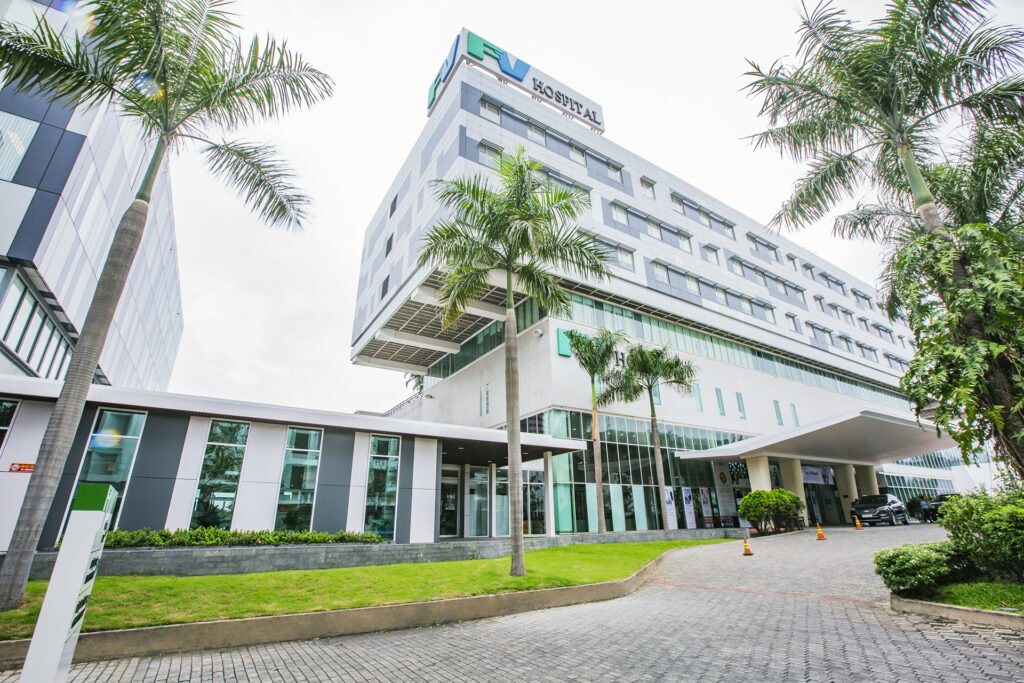
One current private option to research before a trip is FV Hospital's Accident & Emergency department in District 7 / Saigon South. FV lists its emergency service as operating 24/7, gives the address as 6 Nguyen Luong Bang Street, Tan My Ward, and lists (028) 35 11 35 00 for emergency and ambulance calls. Its published patient guidance says emergency patients are assessed on arrival, but opening status, route, fees, and insurance arrangements can change—confirm the current details before relying on them. FV also publishes registration and interpretation information; bring your passport, insurance details, medication list, and allergy card.
Related guides
These guides cover the country-wide allergen picture, street food navigation, celiac travel, and Vietnam's other city and airport guides.
Fish sauce, shrimp paste, peanuts, soy, wheat, and sesame: the full ingredient-by-ingredient breakdown with Vietnamese names.
Street foodHow to eat at Vietnamese stalls and markets with a food allergy, including shared-equipment risk and what to ask vendors.
CeliacSoy sauce, banh mi, and some noodles create gluten risk even in a rice-first cuisine. Safe dishes and how to communicate celiac in Vietnamese.
Airport guideMedical clinic locations, what the pharmacy can and can't cover, and getting from Tan Son Nhat into the city where you land.
Your Ho Chi Minh City allergy card
A written Vietnamese-language allergy card is useful in Ho Chi Minh City, especially when a busy stall conversation leaves little time to explain a serious allergy. Use it to name your allergens and ingredients that may carry them, then ask the cook to confirm the actual recipe. Keep the card visible while ordering, and do not treat a nod or a translated sentence as proof that cross-contact has been ruled out.
Where to stay in Ho Chi Minh City
District 1, District 3, and District 7 can all work, depending on your itinerary and what you need from a base. Compare the actual accommodation: can staff understand your card, can medication be stored as directed, is there a kitchen or nearby grocery option you are comfortable using, and can you reach your planned restaurants without relying on a rushed conversation?
District 7 may suit a longer stay if you prefer a quieter, more residential setting; District 1 may reduce transport for a first visit; and District 3 may be a useful middle ground. These are planning trade-offs, not food-safety ratings. Check the route to the nearest current emergency department from the exact address, and remember that traffic can change travel times.
Before departure, read current official Vietnam travel guidance for emergency contact information. Save the route to current emergency care, carry your prescribed medication and action plan, and confirm how your insurance handles emergency treatment.
Frequently asked questions
Is Ho Chi Minh City safe for food allergy travelers?
Ho Chi Minh City does not come with a destination-wide food-allergy guarantee. The city's size gives you more choice between local, international, hotel, and grocery options, but every restaurant and stall still needs to be assessed. Ask about the recipe, sauces, stocks, shared woks or fryers, and whether the person preparing the food understood the allergy. A Vietnamese-language card can make that conversation clearer, but it cannot verify a kitchen.
Which Ho Chi Minh City dishes need extra allergy questions?
Goi cuon may come with a peanut-based dipping sauce and shrimp; banh xeo often contains shrimp and may share cooking surfaces or oil; and bun thit nuong, salads, and desserts may be finished with crushed peanuts. In Cho Lon, ask about oyster sauce, shrimp products, soy sauce, wheat noodles, and shared woks. Com tam may be simpler to inspect, but check its dipping sauce, toppings, and grill or fryer.
How should I plan emergency care in Ho Chi Minh City?
Before you travel, save the address of the nearest current emergency department to each place you will stay, check what your insurance requires, and carry your prescribed emergency medication and action plan. Do not choose a hotel or neighborhood solely because of a hospital name; traffic and the current route matter. Check current official Vietnam travel guidance for emergency contact information before departure.