 AllergyPass
Food Experiences in Singapore
with Food Allergies
Singapore's food tours, cooking classes, markets, and ticketed meals can be memorable, but the format does not tell you whether an allergy can be accommodated. Ask about the exact menu, sauces, shared equipment, substitutions, and what happens if you need to skip a tasting.
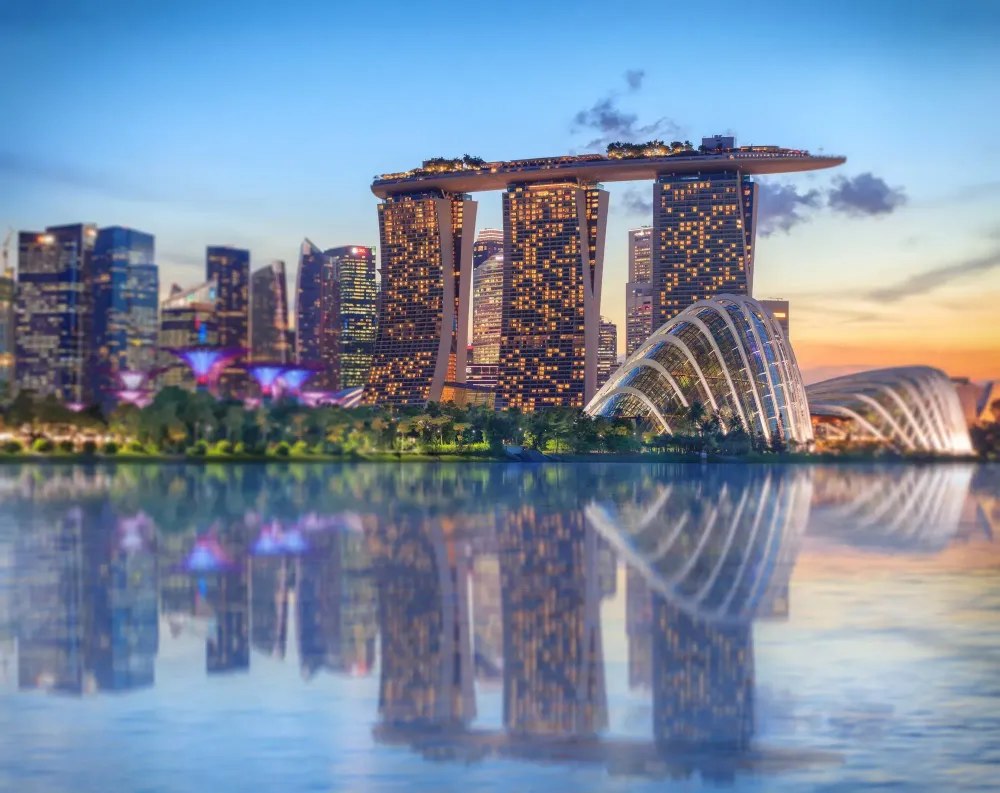 Singapore
The three-cuisine problem for food experiences
Singapore's hawker centres bring Chinese-Singaporean, Malay-Singaporean, Indian-Singaporean, and other food traditions together. A tour may move between different stalls within one centre, and the ingredients and equipment can change at every stop. Ask the guide for the actual route and menu rather than relying on the cuisine label.
Your questions may change stall by stall. Depending on the recipe, ask about shellfish stock, dried shrimp, belacan, peanut sauce, soy sauce, wheat, milk or ghee, tree nuts, and shared woks, fryers, or utensils. An operator needs to understand your specific allergen and the preparation process, not just that you have “a food allergy.”
Ingredients to screen by hawker cuisine type
- Chinese-Singaporean: ask about shellfish stock, dried shrimp, cockles, soy sauce, wheat, fish sauce, egg, and shared woks or fryers.
- Malay-Singaporean: ask about belacan, other shrimp products, peanut sauces, dried shrimp, coconut-based recipes, and shared utensils.
- Indian-Singaporean: ask about milk or ghee, tree nuts in the specific curry, mustard, wheat, fish in some dishes, and shared griddles.
Hawker food tours
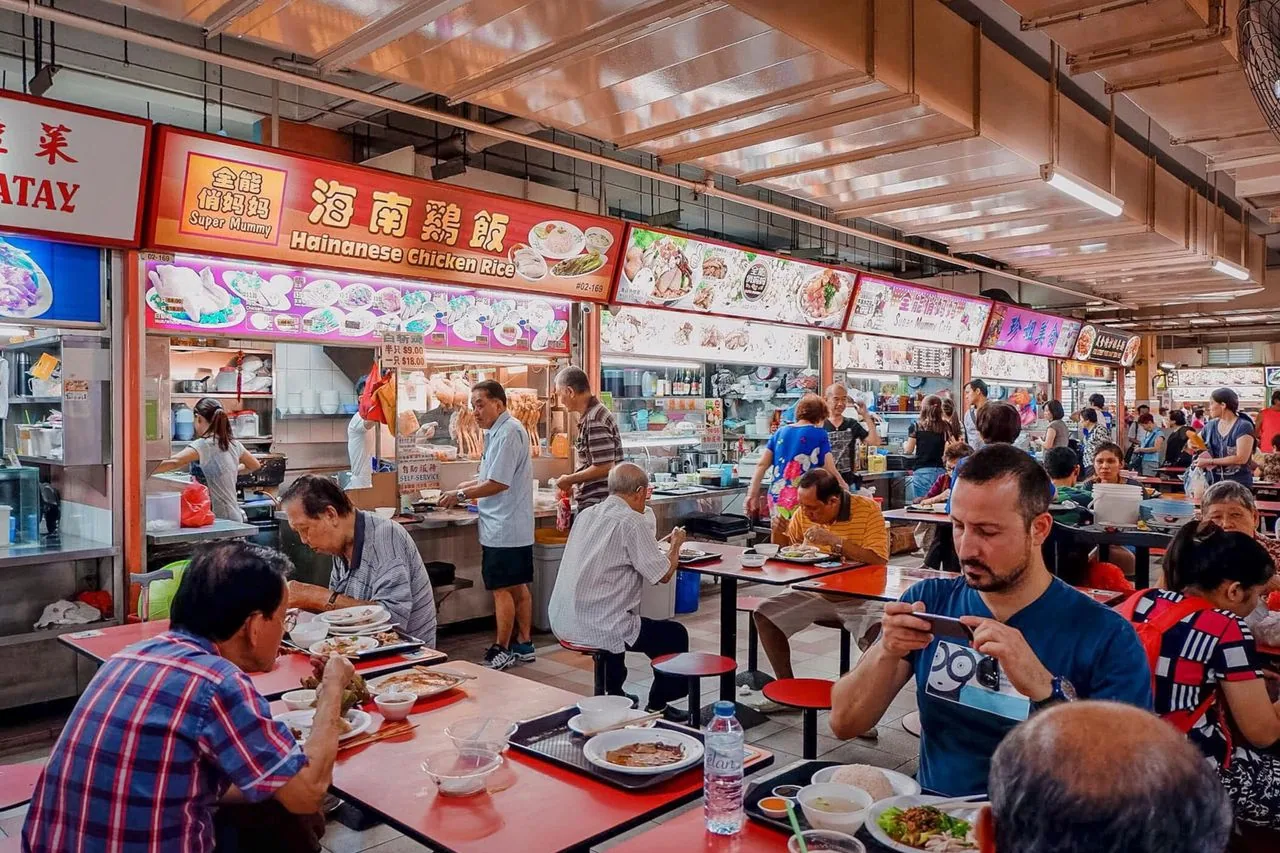
Small-group or private tours may offer more room to ask questions, but the operator's process matters more than the label. Ask whether the guide can slow down, contact each stall, change the route, and let you skip a tasting. A fixed tasting-menu group tour may have less flexibility, but only the operator can confirm that.
What to look for in an operator
Before booking, contact the operator with these specific questions. Their answers tell you more than their website copy will.
- Can you share the specific stall stops for my tour date, not just the general route?
- For each stop, can you confirm whether the dish is shellfish-free / peanut-free / [your allergen]? Not "I think so" but confirmed with the stall operator.
- If a stop doesn't work for my allergy, can we skip it or substitute?
- How many people are in the group? (Smaller is better for flexibility.)
- Do you share an allergy card on behalf of guests with the stall operators, or does the guest communicate directly at the stall?
An operator who can provide stall names, dish details, and a clear fallback plan has given you something useful to assess. “We accommodate dietary requirements” is not enough without those specifics.
Which hawker centres to request
Not all hawker centres have the same cuisine mix. Requesting a tour anchored to specific centres affects your risk profile.
- Chinatown Complex and Maxwell Food Centre: predominantly Chinese-Singaporean. Ask about shellfish stock, dried shrimp, cockles, soy sauce, fish sauce, and shared equipment at each stop.
- Old Airport Road Food Centre: mixed, with a strong Chinese-Singaporean core. Request the actual stalls and dishes rather than relying on the centre's reputation.
- Geylang Serai Market: Malay-dominant. Ask about belacan, peanut sauces, dried shrimp, and shared utensils; decide with the operator whether the planned stops fit your allergy.
- Tekka Centre (Little India): Indian-Singaporean dominant. Ask about ghee, dairy, tree nuts, mustard, wheat, and shared griddles or serving tools.
Cooking classes in Singapore
Singapore has cooking classes covering Peranakan (Nonya), Chinese-Singaporean, and Indian-Singaporean cuisines. The useful question is whether the school can show you the curriculum, ingredient list, shared-equipment plan, and tasting arrangements.
Peranakan (Nonya) cooking classes
Peranakan recipes may use belacan or dried shrimp in rempah, stews, vegetable dishes, rice preparations, and broths. Whether a class can adapt depends on the exact curriculum and the school's handling of shared ingredients and equipment. Ask which steps can be observation-only and whether you can skip the tasting.
A vegetable-forward dish or a class described as hands-on does not answer an allergy question. Contact the school before booking, send the exact allergen, and ask how ingredients are measured, stored, and shared. If the answer is uncertain, an observation-only booking or a different activity may be more appropriate.
Chinese-Singaporean cooking classes
Chinese-Singaporean classes may cover chicken rice, char siu, laksa, kaya toast, or noodle dishes. Ask about shellfish stock, soy sauce, wheat, egg, peanuts, sauces, and shared woks before choosing a class; the dish title alone is not enough.
When contacting a cooking school, specify which dishes are on the curriculum and ask whether substitutions are possible at a per-dish level. A school may be able to change one dish or let you observe a step, but do not assume a substitution removes shared-equipment or ingredient risk. Get the plan in writing before paying.
What to ask a cooking school before booking
Confirm these before you pay
- Does the curriculum for my class date include belacan, dried shrimp, or shrimp paste in any form?
- Does the class use shared woks, grills, or fryer oil that may have contacted shellfish or peanuts?
- Can I participate in all stations, or will some need to be observation-only for my allergen?
- Is there a completed-dish tasting component, and can you confirm the allergen profile of each dish?
- Can I send my allergy card to the instructor before the class date?
Markets and street-food areas
Singapore's markets are organized environments, but licensing or inspection does not answer whether a particular stall can manage your allergy. Shared cooking oil, woks, steamers, utensils, and nearby ingredients still need to be discussed.
Chinatown Heritage Centre area
The Chinatown precinct includes Chinese-Singaporean stalls and restaurants. If you explore independently, ask each vendor about shellfish products, soy sauce, fish sauce, stocks, and shared equipment. Clear signage does not replace a conversation about the preparation.
Kampong Glam and Arab Street
The Malay-Muslim quarter around Bussorah Street and Arab Street includes Malay and Middle Eastern food. Ask about belacan, shrimp products, peanuts, tree nuts, sesame, sauces, and shared utensils. Halal or Middle Eastern labeling does not by itself answer every allergen question.
Little India (Serangoon Road precinct)
Indian-Singaporean street food and market vendors concentrate around Serangoon Road and the Tekka Centre. Dal-based dishes, roti, and rice plates still need checks for ghee, dairy, mustard, tree nuts, wheat, sauces, and shared griddles or serving tools. A sit-down banana-leaf restaurant may allow more time to ask questions, but the format does not guarantee a suitable meal.
Non-hawker food experiences
Singapore has ticketed and structured experiences outside hawker centres. They may offer a clearer contact person or menu, but a restaurant kitchen, buffet, hotel event, or ticketed venue still needs the same ingredient and cross-contact questions.
Gardens by the Bay dining
Gardens by the Bay includes full-service restaurants, kiosks, and hawker-style options. Contact the exact venue in advance with your allergens, ask about the menu and shared equipment, and confirm what happens if a dish cannot be served. Satay by the Bay should be screened like any other hawker setting.
Marina Bay Sands experiences
Marina Bay Sands includes hotel, standalone, and mall restaurants. Contact the exact restaurant directly, share your allergy card before arrival, ask about ingredients and shared equipment, and confirm whether the tasting or set menu can be changed. A polished venue is not a substitute for a specific answer.
Singapore night safari dining
The Night Safari at Mandai Wildlife Reserve includes the Ulu Ulu Safari Restaurant, a buffet-style dining experience. Ask the venue before booking whether a separately prepared meal is possible, how buffet serving equipment is handled, and whether you can skip the buffet. Do not assume that pre-notification guarantees a suitable meal.
How to screen any operator before booking
The operator-screening logic for Singapore applies to any food-focused experience in the city, whether a hawker tour, a cooking class, a ticketed supper club, or a market walk.
- Contact before booking, not after. An operator who is surprised by your allergy at pickup cannot protect you that day.
- Ask for specific confirmation, not general assurance. "We can accommodate dietary requirements" means nothing. "Stall 4 on our route is a chicken rice stall, no shellfish stock used, confirmed with the owner" means something.
- Share your Singapore allergy card in advance. Send it by email when you confirm your booking so the operator and any stall contacts have seen it before the day.
- Clarify what happens if a stop is not safe. Can the group skip a stall? Is there a substitute stop? Can you wait outside while the group tastes?
- Ask about group size and flexibility. A smaller group may make questions or a route change easier, but the operator's actual process matters more than the group label.
Check any dish you plan to eat - whether on a tour or independently - against the Allergy Risk Checker before you encounter it.
Frequently asked questions
Can you do a hawker food tour in Singapore with a food allergy?
Possibly, if the operator can identify the actual stalls and dishes, confirm your allergen questions with each stall, and explain what happens if a stop cannot accommodate you. Share your allergy card before booking and ask about shared equipment, substitutions, and whether you can skip a tasting. A tour is not automatically suitable because it is small or private.
Is a Peranakan cooking class safe with a shellfish or peanut allergy?
Ask for the exact curriculum, ingredient list, shared equipment, and tasting plan before paying. Peranakan recipes may use belacan, dried shrimp, peanuts, or other allergens in spice pastes, broths, and garnishes. A school may offer an observation-only place or a separate station, but do not assume that a substitution removes shared-equipment risk. Decide in advance which steps you can participate in and which you would skip.
How should I compare food experiences in Singapore?
Compare the operator's ability to confirm the menu, ingredients, shared equipment, tasting format, substitutions, and what happens if you need to skip a dish. A sit-down restaurant, cooking school, tour, market walk, or buffet can each work or fail depending on those details. Do not use the format or venue name as a safety guarantee.
Do Singapore food tour operators accommodate food allergies?
Operators vary. Contact them before booking and ask for the named stops, dish-level ingredient checks, shared-equipment information, substitution or skip options, group size, and who will communicate with the stall or kitchen. Share your allergy card in advance. A general statement that they accommodate dietary requirements is not enough for a serious allergy.