AllergyPass
Where to Stay in Singapore
with Food Allergies
Singapore is compact and easy to get around, but the right base still depends on how you plan to eat and what backup you need. Compare neighborhoods by food access, transport, accommodation questions, medication storage, and the route to current emergency care.
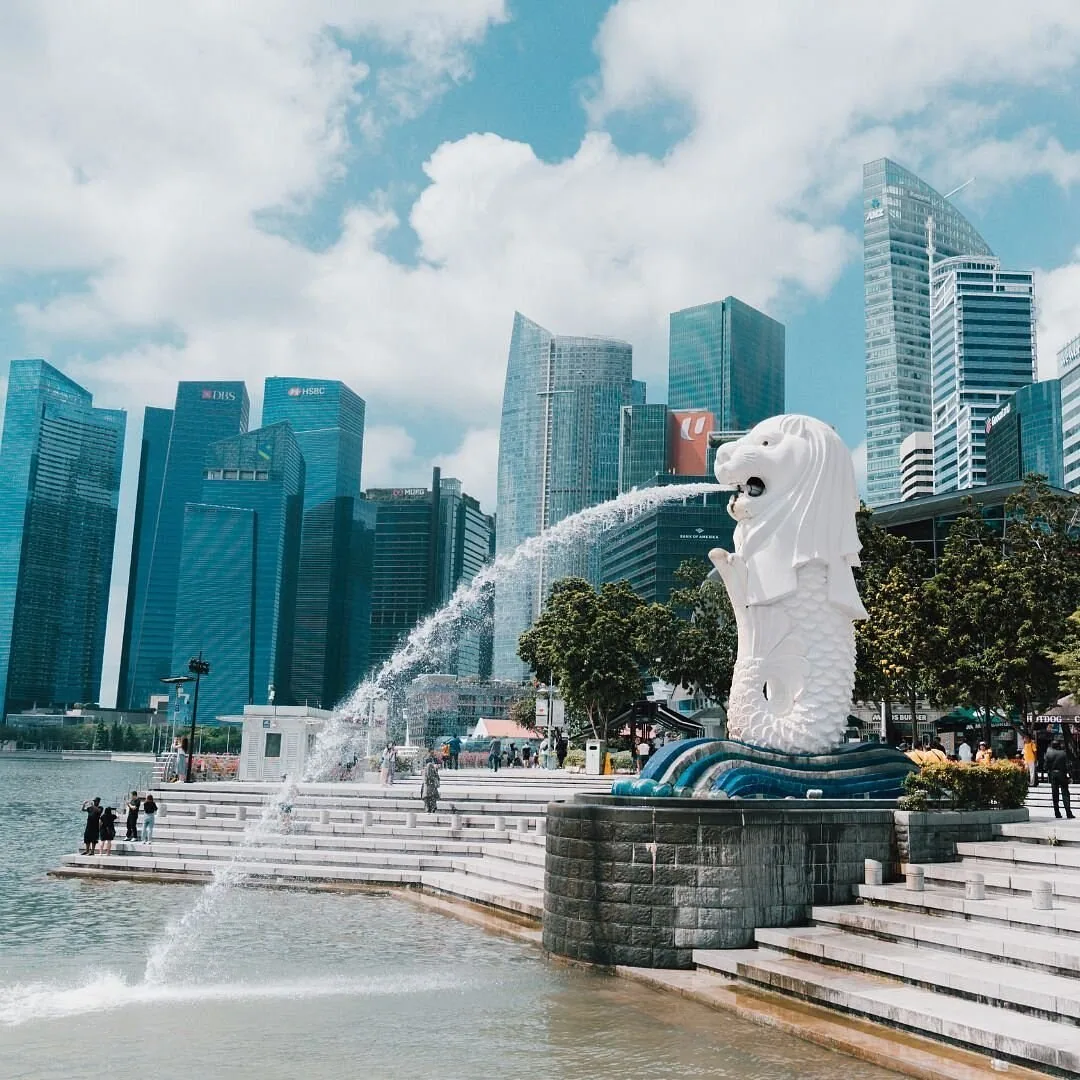 Singapore
What actually matters when choosing a neighborhood in Singapore
Singapore may make communication easier because English is widely used, but ingredient and cross-contact questions still depend on the individual property and food business. The neighborhood decision is therefore about logistics, not a city-wide safety ranking.
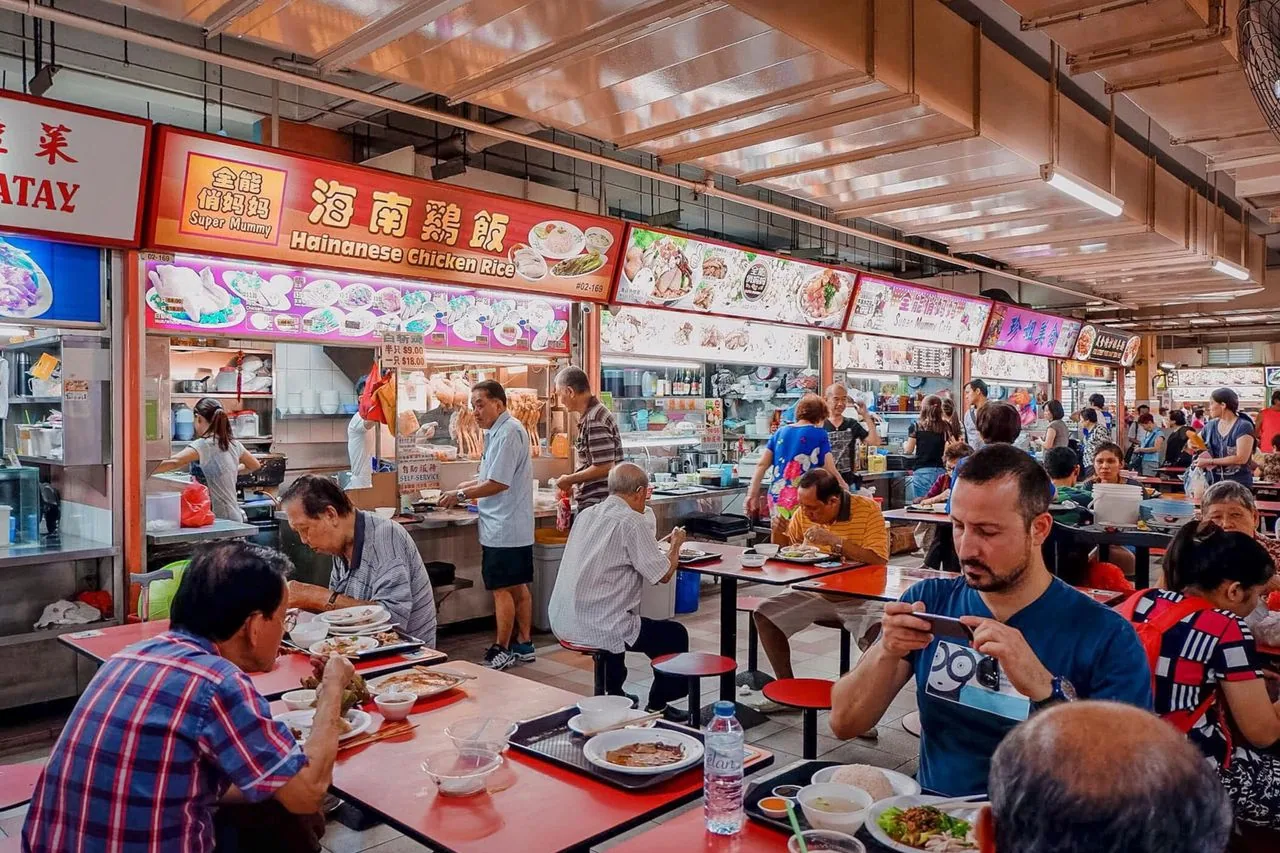
Hawker centres bring stalls with different recipes and shared equipment together. Depending on the dish, ask about belacan or other shrimp products, peanut sauces, shellfish stock, soy sauce, milk or ghee, tree nuts, and shared woks or fryers. Your neighborhood choice affects which food options are convenient, but a mall or hotel setting is not an automatic guarantee of better allergen handling.
- Food access: Which nearby restaurants, groceries, or packaged-food options can you actually verify, and how easy is it to reach another option if the first answer is unclear?
- Emergency planning: What is the route from the exact property to current emergency care, and how will you call 995 if a life-threatening emergency occurs?
- Hotel kitchen capability: A full-service property may be easier to contact in advance, but the relevant variable is each kitchen's procedures, not hotel tier or geography. Ask about your specific allergens, breakfast buffet setup, and shared equipment.
Singapore neighborhoods: allergy traveler breakdown
Orchard Road
Orchard can suit travelers who want malls, restaurants, groceries, and central MRT access close together. Stock, menu language, and kitchen procedures vary by business, so treat the area as a convenient base rather than a food-safety rating.
Before booking, ask the exact hotel about room refrigeration, restaurant preparation, breakfast service, and how staff will handle your card. Save the route from the property to current emergency care and allow for traffic.
Novena
Novena may suit a traveler who wants to be close to medical facilities and still have mall, grocery, and MRT access. Proximity is not a substitute for an action plan: check the exact current emergency route from the property and call 995 for a life-threatening emergency.
Food options range from local stalls to mall businesses, and the same questions about sauces, shared equipment, and breakfast service still apply. Ask the hotel whether medication can be stored as directed and whether staff can explain the meal preparation.
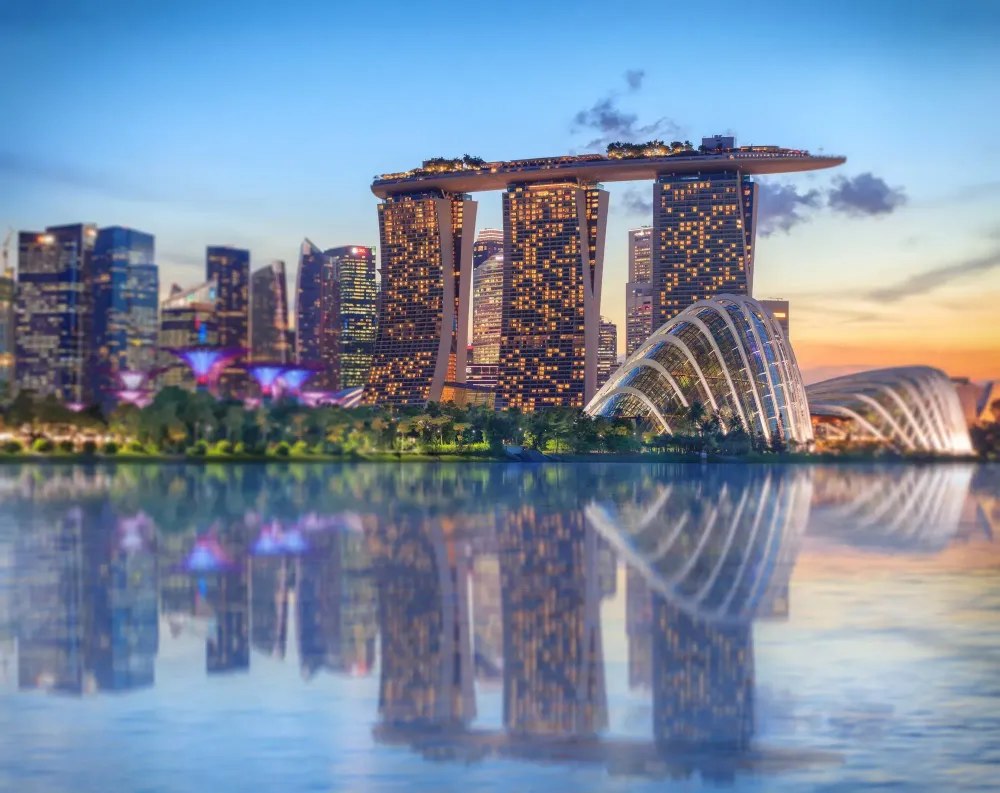
Marina Bay / CBD
The Marina Bay precinct combines full-service hotels with malls, restaurants, and business-district transport. It can be convenient when you want to contact a restaurant team before arrival, but kitchen practices and breakfast buffet handling still vary. Use your allergy card and confirm the plan with the staff who will prepare the meal.
Because the area is not centered on hawker stalls, you may have different food options from a Chinatown base, but that is not a guarantee of better allergen handling. Check the exact grocery route and save the route to current emergency care; travel times change with traffic and time of day.
Bugis / Kampong Glam
Bugis puts you near Arab Street, Kampong Glam, malls, and Malay food traditions. If you eat in the area, ask specifically about belacan, shrimp products, peanuts, sauces, shared utensils, and the cooking surface. Mall and restaurant options still vary, so do not assume a chain or food court can meet a serious allergy without confirmation.
Hotel options include mid-range properties and larger businesses. Compare the exact room, breakfast setup, grocery route, and the route to current emergency care before booking.
Chinatown / Tanjong Pagar
Chinatown and Tanjong Pagar put you close to Chinese-Singaporean hawker centres, including Maxwell Food Centre, as well as restaurants and CBD transport. Ask about shellfish products, soy sauce, fish sauce, stocks, shared woks, and steamers at each stall; the presence of many stalls is not itself a food-safety rating.
Budget and mid-range hotels are available. Compare the room, breakfast, grocery access, transport, and emergency route. You may prefer to explore the area during the day while using a different base for meals, but that is a planning choice rather than a universal rule.
Supermarkets and labeled food in Singapore
Cold Storage, Jason's / Market Place, FairPrice Finest, FairPrice, and Sheng Siong are examples of stores where you may find packaged food. Location and stock change, so do not book a hotel on the assumption that a particular branch will carry a specific product.
Read the complete ingredient list and advisory statements on the product you are holding. Singapore Food Agency guidance explains packaged-food allergen declarations and the limits of precautionary labeling; it does not answer questions about food prepared in a hotel or restaurant kitchen.
Hospitals in Singapore for allergy emergencies
Outram Road, Outram Park MRT. A named planning option for central Singapore; verify current emergency access, route, services, and payment arrangements before relying on it.
Emergency: +65 6222 3322
38 Irrawaddy Road, Novena MRT. A named private planning option; verify current emergency access, route, services, and insurance arrangements before relying on it.
Emergency: +65 6933 0000
6A Napier Road, Orchard MRT. A named private planning option; verify current emergency access, route, services, language support, and insurance arrangements before relying on it.
Emergency: +65 6473 7222
Save 995 for emergency ambulance service offline before you arrive. For suspected anaphylaxis, follow your prescribed action plan, use prescribed epinephrine promptly, and call 995. Do not delay care while trying to reach a named private hospital or waiting for an insurance answer; carry your policy details and keep receipts for later claims.
What to ask your Singapore hotel before you book
Email these questions before you arrive
- Can your restaurant kitchen explain the ingredients, sauces, stocks, and shared equipment for a meal involving [specific allergen]?
- How are breakfast buffet serving utensils and replacement dishes handled, and can you prepare a separately checked meal?
- Can the room store my prescribed medication according to its storage instructions?
- Which grocery or packaged-food options are nearby, and can you confirm the current location?
- What is the route from the hotel to the nearest current emergency department, and what help can staff provide if I call 995?
Breakfast buffet handling varies. Ask whether food is prepared in-house, how dishes are replenished, and whether staff can prepare a separately checked meal. Check Singaporean hawker dishes for hidden allergens in the Allergy Risk Checker before you arrive.
Frequently asked questions
How should I compare Singapore areas for food-allergy travel?
Compare the exact property and route, not a neighborhood safety label. Look at transport, nearby grocery or restaurant options, medication storage, the accommodation's ability to answer ingredient and cross-contact questions, and the route to current emergency care. Orchard, Novena, Marina Bay, Bugis, and Chinatown each involve different trade-offs.
Do Singapore hotels accommodate food allergies?
Some full-service hotels can discuss a detailed restaurant request before arrival, but kitchen practices and buffet handling vary. No accommodation can promise an allergen-free kitchen. Contact the property with your exact allergens, ask about shared equipment, and confirm the plan again when you arrive.
How should I plan emergency care from my Singapore accommodation?
Save the route from the exact accommodation to the nearest current emergency department and keep your prescribed medication and action plan accessible. For a life-threatening emergency, call 995 and follow the dispatcher's instructions. Do not delay care while trying to reach a named private hospital or relying on a static travel-time estimate.