 AllergyPass
Florence Food Allergy Guide:
Hidden Wheat in Tuscan Food
Tuscan cooks turn stale bread into soups, salads and sauces. This guide helps you spot wheat in dishes such as ribollita and panzanella, check other local ingredients, and plan meals in Florence and on day trips.
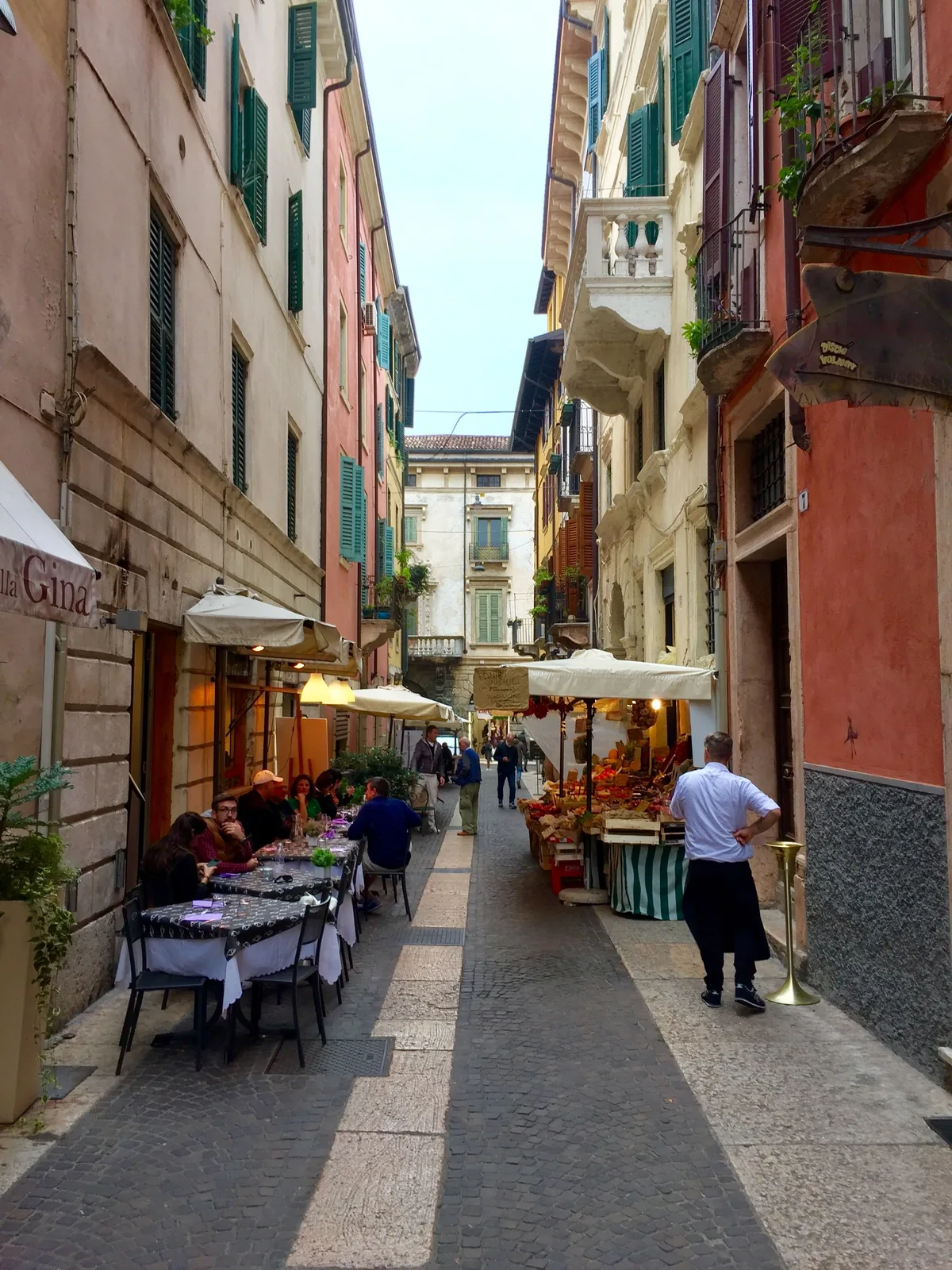 Florence, Italy
In this guide
Where Tuscan dishes use bread
Unsalted Tuscan bread, pane toscano or pane sciocco, appears in dishes made to use up a stale loaf. Ribollita and pappa al pomodoro contain bread in the soup; panzanella is a salad built around soaked bread. These recipes need an ingredient check even when the menu emphasizes vegetables.
Asking to leave off bread does not explain the full needs of wheat allergy or celiac disease. State the condition and the ingredients you avoid, then ask whether bread or flour is already in the recipe. Gluten-free and wheat-free are not interchangeable: AIC explains why a gluten-free product can still need checking for wheat allergy.
Ask about shared preparation where it matters to your order: flour-dusted work surfaces, bread boards, cooking water and serving utensils. A fresh pasta dish already contains its dough ingredients; separate water cannot make wheat pasta suitable for someone avoiding wheat.
Tuscan dishes and their hidden allergens
Use the table to identify ingredients and prepare questions. Recipes vary, and the listed ingredients cannot tell you how any particular kitchen prevents cross-contact.
| Dish | Ingredients to check | Notes |
|---|---|---|
| Ribollita | Wheat (bread), celery (soffritto), dairy (some versions finished with parmesan) | Bread is mixed into the soup. Ask whether a separate, suitable batch exists and check the vegetable base; bread cannot be removed from a finished batch. |
| Pappa al pomodoro | Wheat (bread) | Bread is cooked into the tomato. The traditional dish contains wheat; if offered an adapted version, check its ingredients and preparation. |
| Panzanella | Wheat (bread) | Bread is mixed through the salad. Ask whether a separate salad can be made with checked ingredients and clean utensils; picking bread out is insufficient. |
| Acquacotta | Wheat (bread), celery; egg and milk (cheese) in some versions | Ask when bread is added, and check for celery, egg, cheese and other stock ingredients. Visit Tuscany’s recipe includes all four listed allergens. |
| Crostini neri / crostini di fegatini | Wheat (bread), often fish (anchovy), sometimes dairy or egg | Chicken liver pâté on toasted bread, a standard starter. Anchovy is a common addition to the liver mixture even when the name doesn't mention it. |
| Bistecca alla fiorentina | Beef; dairy if finished with butter, variable sides | A thick-cut T-bone, traditionally served rare. Ask about seasoning, finishing butter, side dishes and shared grill contact with your allergen. |
| Trippa alla fiorentina and lampredotto | Wheat (roll; sometimes salsa verde), fish or egg (salsa verde), celery (broth); dairy in some trippa recipes | For lampredotto, check broth, salsa verde and roll handling. For trippa, check the sauce and added cheese. A roll-free portion still needs suitable utensils and preparation. |
| Peposo | Beef, wine, pepper; wheat if flour-thickened or served with bread | A slow-cooked beef and black pepper stew from Impruneta, near Florence. Confirm whether the cooking liquid is thickened with flour. |
| Pici | Wheat | A thick, hand-rolled Tuscan pasta, technically from the Siena area but common on Florence menus. Usually egg-free unlike pappardelle, but confirm the recipe. |
| Pappardelle al cinghiale | Wheat, egg (fresh pasta), dairy (some ragù finished with cheese) | The pasta itself commonly contains wheat and egg. Ask about a suitable alternative and its separate cooking water, plus the ragù ingredients. |
| Fagioli all'uccelletto | White beans, tomato, garlic, sage; check additions | White beans stewed with tomato, garlic and sage. Ask whether stock, meat, butter or bread is added and how the portion is served. |
| Schiacciata (including schiacciata con l'uva) | Wheat; dairy or other additions vary by recipe | A flat, olive-oil-rich Tuscan bread, sold everywhere. The autumn grape version, schiacciata con l'uva, is the same wheat base with whole grapes baked in. |
| Cantucci / biscotti di Prato | Tree nuts (almonds), wheat, egg | Twice-baked biscuits with almonds in the dough, often served with vin santo. The almonds cannot be removed from a finished biscuit. |
| Castagnaccio | Chestnut flour, often pine nuts; walnuts in some recipes | Check the flour, pine nuts, walnuts and shared baking equipment. Chestnut flour is wheat-free, but a bakery may still use wheat flour or shared tins. |
| Bomboloni | Wheat, often egg and dairy in the dough or filling | Check dough and filling separately, then frying and serving equipment; a jam filling says nothing about milk or egg in the dough. |
| Gelato | Dairy, tree nuts (pistachio, hazelnut, walnut flavors and shared scoops) | Check the ingredients and handling from production through serving. A clean scoop or a different tub position cannot undo earlier cross-contact. |
Pine nuts and chestnuts are not among the nuts specified in EU allergen-labeling rules; name them explicitly if you avoid them. For gelato and other prepared foods, FARE’s cross-contact guidance explains why ingredients and handling both matter.
For other Italian menu items, the Allergy Risk Checker offers general ingredient guidance; the table above covers the Tuscan dishes discussed here.
Show trattoria and market staff your allergens in Italian and English
Build My Italian CardMercato Centrale and Florence's markets
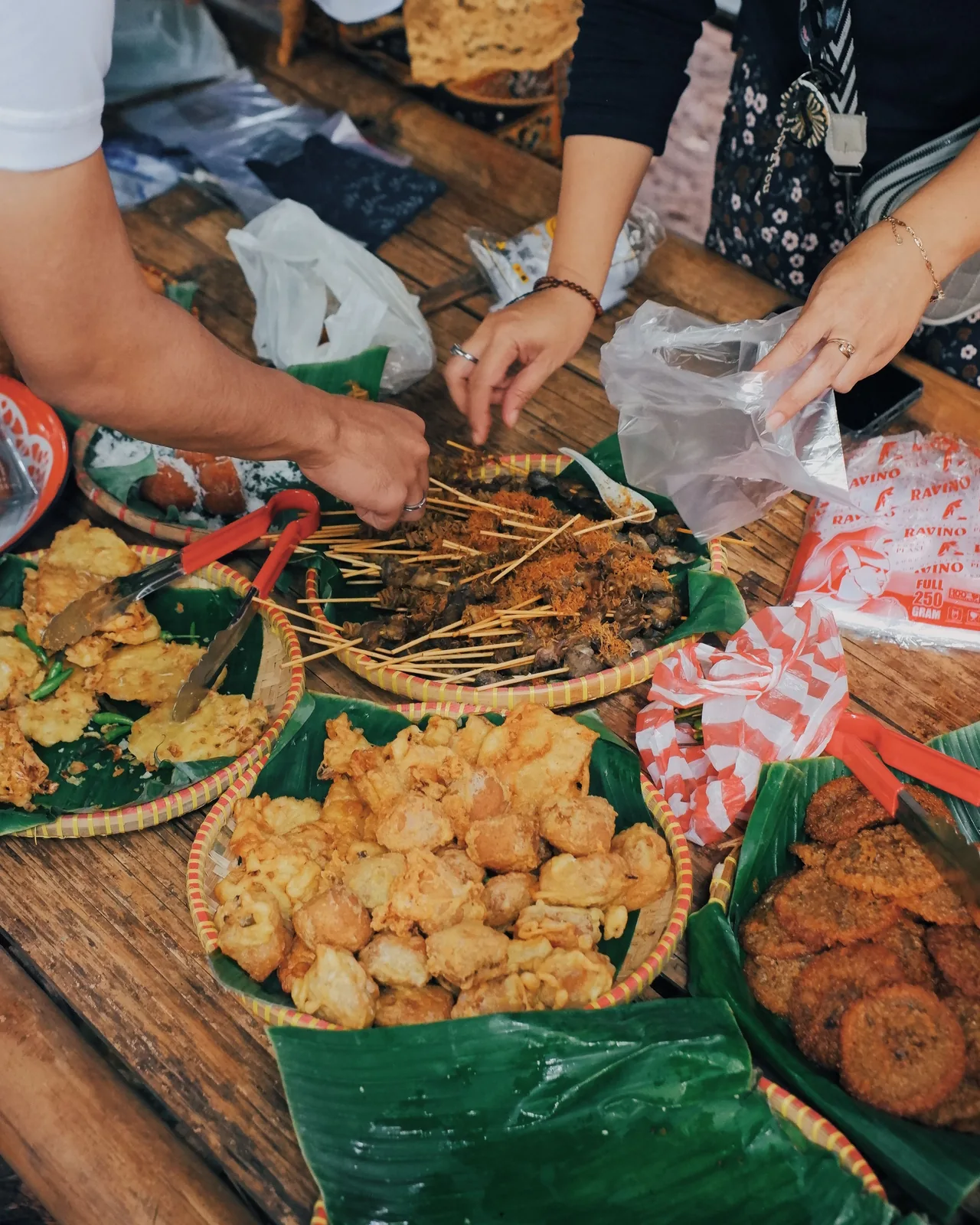
At Mercato Centrale in San Lorenzo, the ground-floor market and upstairs food hall offer different ways to shop and eat. Treat each food vendor as a separate kitchen. Ask about its ingredients, boards, fryers and serving utensils; an answer from one stall tells you nothing about the next.
Sant'Ambrogio market, on the eastern side of the historic centre, is another option for shopping. Check individual traders' current hours and product labels. For prepared food, ask the same recipe and handling questions you would ask at a restaurant.
Planning meals in Oltrarno and the historic centre
Oltrarno (Santo Spirito and San Frediano)
Oltrarno, across the Arno, includes Santo Spirito and San Frediano. If you plan an evening meal here, contact a restaurant ahead and leave time to confirm the order. A local clientele or family-run setting is no guide to how a kitchen handles allergies.
Around the Duomo and Ponte Vecchio
Around the Duomo and Ponte Vecchio, plan meals around timed sightseeing visits. A written Italian card helps pass your request to the kitchen, but staff still need to confirm ingredients and preparation. If the venue cannot answer while busy, ask when someone can help or choose another option.
Gluten-free dining, pharmacies and supermarkets
For celiac dining, check AIC's Alimentazione Fuori Casa listings. Participating venues receive training and follow gluten-free preparation procedures. This does not mean every venue has a wholly separate kitchen, and the program does not cover other allergies. Confirm the service you need directly; AIC Mobile Welcome offers temporary listing access for visitors.
On packaged food, a gluten-free claim is regulated, with a limit of 20 mg/kg. Adding wording indicating suitability for people with celiac disease does not create a lower threshold. See Regulation (EU) No 828/2014. At a restaurant, explain that you have celiac disease and ask how your meal will be prepared; wording on a menu is not a substitute for that conversation.
Supermarkets are a reliable backup for packaged food. Coop, Conad, Esselunga and Carrefour all operate branches in and around Florence and stock dedicated gluten-free lines, though selection varies by store size. Read the label on any packaged product yourself; a store carrying a free-from shelf doesn't mean every item on it fits your specific allergens.
AIC's crossed-grain mark identifies licensed gluten-free products; use the current AFC venue listing for restaurant participation. For questions about shared ovens, cooking water and utensils, see the Italian gluten-free card guide and AIC's preparation guidance.
Day trips: Chianti, Siena and Pisa
For a winery or agriturismo visit in Chianti, contact the host about the planned menu before booking, especially for a fixed lunch or tasting. In Siena, check the wheat in pici and bread-based dishes; in Pisa, allow time for a meal around your sightseeing reservation. Carry an Italian allergy card and suitable backup food rather than assuming you can adapt the day's set menu.
Emergency information for Florence
If you think you are having anaphylaxis, follow your personal action plan, use prescribed emergency medication as directed, and call for urgent medical help. This is general travel information, not a replacement for advice from your doctor or allergist.
- Emergency number: Call 112 for an ambulance. In the historic centre, give the street and number, or the square or monument you are beside.
- Azienda Ospedaliero-Universitaria Careggi · Florence's main public teaching hospital, north of the historic centre, with a full Pronto Soccorso (emergency department). Let emergency dispatch determine where care is needed.
- Ospedale Santa Maria Nuova · A historic public hospital inside the centre itself, near the Duomo, useful for visitors staying in the tourist core.
- Azienda Ospedaliero-Universitaria Meyer · A pediatric hospital. In an emergency, call 112 and let dispatch direct you.
- Medication: Keep your prescribed medication with you on day trips to Chianti, Siena or Pisa, where you may be far from your accommodation. If it is lost or damaged, ask a pharmacist or doctor promptly about a replacement; stock and prescription rules vary. Outside opening hours, look for the farmacia di turno (on-duty pharmacy) notice displayed at pharmacies in town.
- Before your trip: build your Italian allergy card, especially if an agriturismo or winery host is setting the menu.
Build your Italian allergy card before you land. Useful at trattorias, market stalls and set lunches outside the city.
Build My Italian CardSources and current details
AFC participation, opening hours and market schedules change. Check the AIC: Alimentazione Fuori Casa listings for current gluten-free venues, the Italian Ministry of Health's food allergy guidance for the regulated allergen framework, and the official Numero Unico di Emergenza 112 portal for how Italy's emergency number works.
Frequently asked questions
Can Tuscan bread soups be adapted for wheat allergy or celiac disease?
Traditional ribollita and pappa al pomodoro contain bread mixed into the soup; it cannot be removed from a finished batch. Acquacotta may be ladled over bread at serving. Ask whether a separate suitable preparation is available, then check stock, celery, egg, cheese and equipment.
What should I check before ordering lampredotto?
Lampredotto is beef offal cooked in broth and often served in a bread roll. Ask about the broth, the roll and its handling, and the salsa verde, which may contain bread, anchovy or egg. Ordering without the roll does not answer the questions about the sauce or shared utensils.
What should I ask about bistecca alla fiorentina?
Check seasoning, finishing butter, side dishes and whether the grill contacts your allergen. The steak is traditionally a thick T-bone served rare. A short ingredient list for the steak says nothing about the rest of the plate.
Is a clean gelato scoop enough for a tree nut allergy?
No. It does not undo earlier contact in the tub, during production or during previous servings. Ask about the flavor ingredients and the shop's full handling process. Distance along the display case is no protection either.
How can I find gluten-free dining in Florence?
Use AIC's current Alimentazione Fuori Casa listings and confirm the venue's service before visiting. Participation involves gluten-free training and preparation procedures; it does not cover every allergy or guarantee a wholly separate kitchen. Discuss additional allergens and wheat allergy separately.
How should I approach prepared food at Mercato Centrale?
Check each vendor individually. Ask for the ingredients of your chosen dish and how its utensils, cooking equipment and serving area are used. Seeing food prepared can help you ask questions, but does not show all earlier handling.