 AllergyPass
Milan Food Allergy Guide:
Aperitivo & Business Trips
Butter and cheese feature in several Milanese classics, including risotto and cotoletta. This guide covers the recipe questions, aperitivo counters and business-meal planning that can help you prepare for a visit.
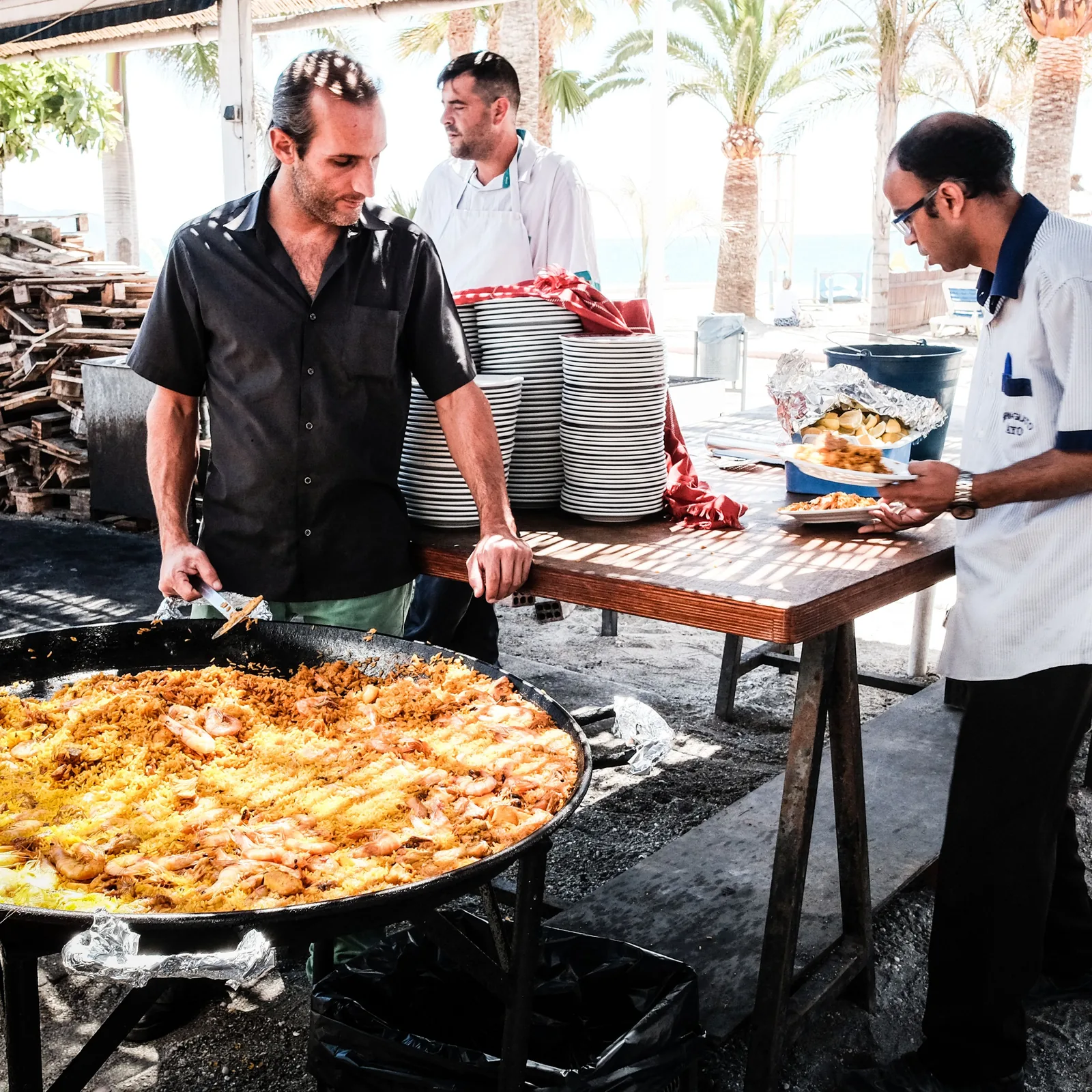 Milan, Italy
In this guide
Butter and cheese in Lombard cooking
Risotto alla milanese is commonly finished with butter and hard cheese, and cotoletta is traditionally breaded and fried in butter. Ask about these ingredients even when a dish looks plain. The menu name may not describe its stock, coating or finishing step.
On a work trip, meals may be arranged by a hotel, conference organizer or client. Send your dietary requirements ahead and keep a written Italian allergy card available so the kitchen receives the same information as your host.
Aperitivo: check the food and the serving setup
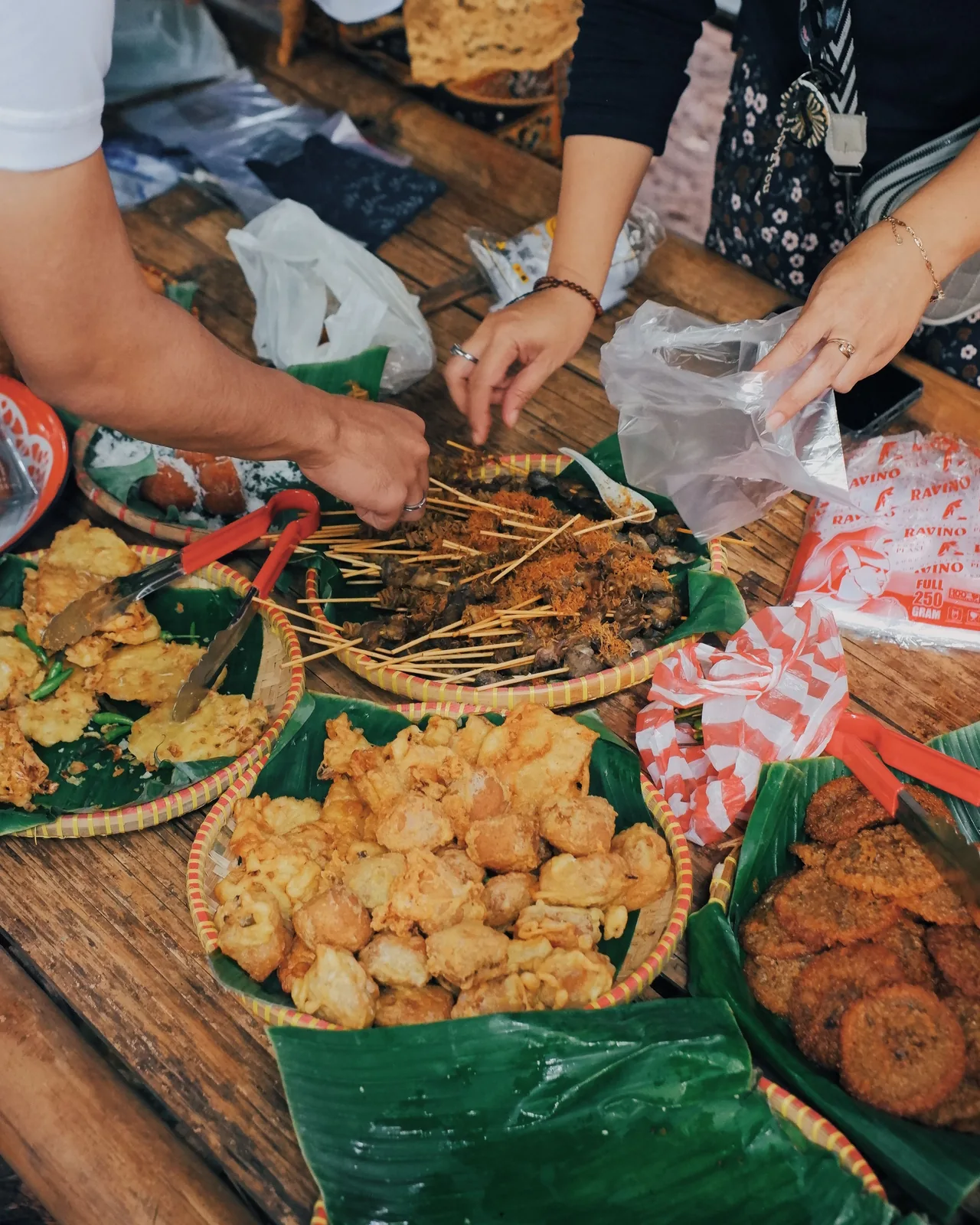
Aperitivo pairs a drink with small dishes or snacks; some bars offer a buffet, while others serve plates at the table. Check the format before ordering. Cheese, nuts, bread and fried snacks may share serving areas, and drinks need their own ingredient check if relevant to your allergy.
Ask whether the kitchen can prepare a suitable plate with checked ingredients, clean utensils and a clean work surface. A tagliere (a serving board of snacks) is not automatically suitable: transferring food from a buffet onto a board leaves earlier cross-contact unaddressed. If staff cannot explain the preparation, choose another option.
Hand hotel, conference and aperitivo staff your allergens in Italian and English
Build My Milan CardMilanese dishes and hidden allergens to check
Lombard cooking has its own dish vocabulary, distinct from the pasta-and-tomato image most visitors bring to Italy. The table below covers the dishes and venues most likely to catch a food-allergic traveler off guard in Milan specifically.
| Dish or venue | Ingredients to check | Notes |
|---|---|---|
| Risotto alla milanese | Milk (butter, cheese), possibly celery (stock) and egg (lysozyme in some cheeses) | Ask whether butter and cheese are already mixed in, check the cheese label for egg-derived lysozyme, and ask what the stock contains. |
| Cotoletta alla milanese | Wheat (breadcrumbs), egg, dairy (butter) | Ask what the cutlet is fried in and whether the breading station is shared. |
| Ossobuco | Wheat (flour coating), dairy (butter), possibly celery (vegetable base) | Veal shank braised in a butter-and-vegetable base. Ask about the flour dusting and braising liquid. |
| Cassoeula | Pork, celery (vegetable base), sometimes dairy | A pork and cabbage stew; ask which vegetables, fats and stock the kitchen uses. |
| Mondeghili | Wheat (bread), egg, dairy (cheese); check any mortadella ingredients | Ask about the binder, cheese, added meats and frying fat; the mixture cannot be separated after preparation. |
| Polenta | Corn; dairy if butter or cheese is added | Ask whether this batch contains butter, cheese or stock, and what accompanies it. |
| Panettone | Wheat, egg, dairy (butter), tree nuts in some variants | Milan's holiday bread. Classic recipes are egg- and butter-rich; some variants add almonds or hazelnuts. |
| Panzerotti (Luini-style) and michetta bread | Wheat (both), dairy in cheese-filled panzerotti; other fillings vary | Panzerotti are fried, mozzarella-filled dough; michetta is a plain hollow wheat roll. Ask about the fryer and any house flour blend. |
| Pizzoccheri | Wheat blended with buckwheat, dairy (butter, cheese) | Buckwheat alone isn't a gluten grain, but the traditional Valtellina dough blends in wheat, so this isn't automatically gluten-free. |
Grana Padano can contain lysozyme extracted from egg white. Some versions do not, so ask staff to check the actual cheese label if you have an egg allergy.
For egg-specific preparation questions, see the egg allergy travel card guide. Choosing a different cuisine does not remove the need to check recipes: soy sauce, sesame, fish and shellfish may be relevant in other Milan restaurants.
Business travel, hotel buffets, and trade fairs
At hotel breakfast, ask staff to check the ingredients of the food you want and explain how it has been handled. If a suitable order can be prepared separately, confirm the ingredients and equipment rather than relying on a buffet label or a new plate.
For client meals, tell both your host and the restaurant about your allergy when the reservation is made. Ask that staff confirm your order individually before shared starters arrive. This gives the kitchen time to assess what it can offer and avoids relying on another guest to explain your needs.
For events at Fiera Milano Rho or meetings elsewhere in the city, check meal arrangements with the organizer. Ask whether dietary requests reach the caterer, whether food is individually labeled, and who can answer ingredient questions on the day. Pack a suitable fallback if your schedule leaves little time to find another meal. When comparing Milan accommodation, confirm any kitchenette directly with the property.
Where to eat: Navigli, Brera, Porta Venezia, Isola
Navigli
Along the Navigli canals, ask each bar whether its aperitivo is served from a buffet or prepared to order. For a separate portion, confirm the ingredient source and clean equipment before ordering.
Brera
Brera offers a meal stop near galleries and central sights. Contact a venue ahead of your visit and ask who can confirm the allergy request on arrival. Price and familiarity with international visitors are no proof of careful preparation.
Porta Venezia and Corso Como
Porta Venezia and the separate Corso Como area both offer evening dining options. Check the actual venue's reservation and serving arrangements, especially when your visit coincides with a major event.
Isola
Isola is near Porta Garibaldi, with bars and restaurants around the neighborhood. Check the route from your hotel or meeting venue rather than treating it as interchangeable with Milano Centrale. Contact a restaurant before arranging a client dinner.
Malpensa, Linate, and Milano Centrale
Malpensa (MXP): Confirm your terminal and transfer time when planning a meal. If time is tight, carry packaged food whose full label you have checked rather than relying on an unfamiliar counter to accommodate a last-minute request.
Linate (LIN): Plan a food option for the interval between arrival and your next meeting. Check each counter's ingredient information and preparation, just as you would at a city restaurant.
Milano Centrale: Before a connecting train, allow time to buy packaged food and read its label. Check current shop hours and do not rely on a particular product being available at the station or on board.
Gluten-free in Milan: AIC and EU labeling
Use AIC's Alimentazione Fuori Casa listings to find participating venues. The program involves staff training and gluten-free preparation procedures; it does not guarantee a wholly separate kitchen or cover other allergies. AIC Mobile Welcome gives visitors temporary access to listings. Confirm the service you need directly with the venue.
Packaged foods follow EU allergen-information rules. Check nearby supermarkets and read each product's full label; a product on the gluten-free shelf can still contain milk, egg or wheat starch. The Italian gluten-free card guide covers questions about pasta water, frying oil and preparation.
For other Italian menu items, the Allergy Risk Checker offers general ingredient guidance; use the table above for the Milanese dishes covered here.
Emergency information for Milan
If you think you are having anaphylaxis, follow your personal action plan, use prescribed emergency medication as directed, and call for urgent medical help. This is general travel information, not a replacement for advice from your doctor or allergist.
- Emergency number: Dial 112 for an ambulance. Tell the operator the street address, or the hotel, meeting venue or Fiera Milano Rho pavilion you are in.
- Hospitals: ASST Grande Ospedale Metropolitano Niguarda, Policlinico di Milano (Ospedale Maggiore, central), and Ospedale Fatebenefratelli are well-established public hospitals with emergency departments (Pronto Soccorso). Ospedale dei Bambini Vittore Buzzi is a dedicated children's hospital. Call 112 and let dispatch direct you rather than choosing one yourself.
- Medication: Keep your prescribed medication in your day bag during meetings, trade fairs and client dinners, not in your hotel room. If it is lost or damaged, ask a pharmacist or doctor promptly about a replacement, since stock and prescription rules vary. Near Milano Centrale or your hotel, any pharmacy can point you to the farmacia di turno (on-duty pharmacy) open that night.
- Before you fly: build your Italian allergy card and send the same allergen list to your hotel, event organizer or client host.
Build your Milan allergy card before you land. Keep it on your phone for hotel breakfasts, client lunches and aperitivo.
Build My Milan CardSources and current details
Restaurant menus, business hours, and AFC venue listings change. Check the official AIC: Alimentazione Fuori Casa listings for current gluten-free venues, the Italian Ministry of Health page on food allergies for the national allergen-information framework, and Regulation (EU) No 1169/2011 for the underlying EU labeling law. For emergencies, see the official Numero Unico di Emergenza 112 portal.
Frequently asked questions
Which Milanese dishes should I check for milk ingredients?
Risotto alla milanese commonly contains butter and cheese, while cotoletta is traditionally fried in butter. Polenta and other dishes may also have dairy additions. Ask whether these are already mixed in and whether a suitable alternative can be prepared.
How should I approach an aperitivo buffet with a food allergy?
Check both ingredients and shared serving equipment. If a bar offers a separate plate, ask whether it can use checked ingredients and clean preparation equipment rather than food from the same buffet. Drinks also need an ingredient check where relevant.
How do I explain a food allergy at a Milan business dinner?
Tell the organizer and restaurant when the reservation is made, then confirm your own order with staff. Give the kitchen a written Italian allergy card before shared dishes arrive. Ask who can check recipes and preparation if the server is unsure.
Is pizzoccheri gluten-free because it contains buckwheat?
Traditional pizzoccheri combines buckwheat and wheat flour, so it is not gluten-free. It also commonly contains butter and cheese. Check the pasta ingredients and preparation if a restaurant offers an adapted version.
How can I plan food at Malpensa, Linate or Milano Centrale?
Carry suitable backup food, check your terminal or station facilities, and leave time to read labels. Treat food counters as individual kitchens: ask about the actual ingredients and handling rather than assuming an airport or station has a single allergy policy.
What should I do for a severe allergic reaction in Milan?
Follow your personal emergency action plan, use prescribed emergency medication as directed and call 112. Give your exact location and let dispatch direct the response. Keep your medication accessible during meetings and travel.