 AllergyPass
Venice Food Allergy Guide:
Seafood, Bacari & Boats
Venetian menus feature lagoon seafood, from soft-shell crab to cuttlefish risotto. This guide explains the dish names, what to ask at a bacaro counter, and how to plan meals and everyday travel in the historic centre.
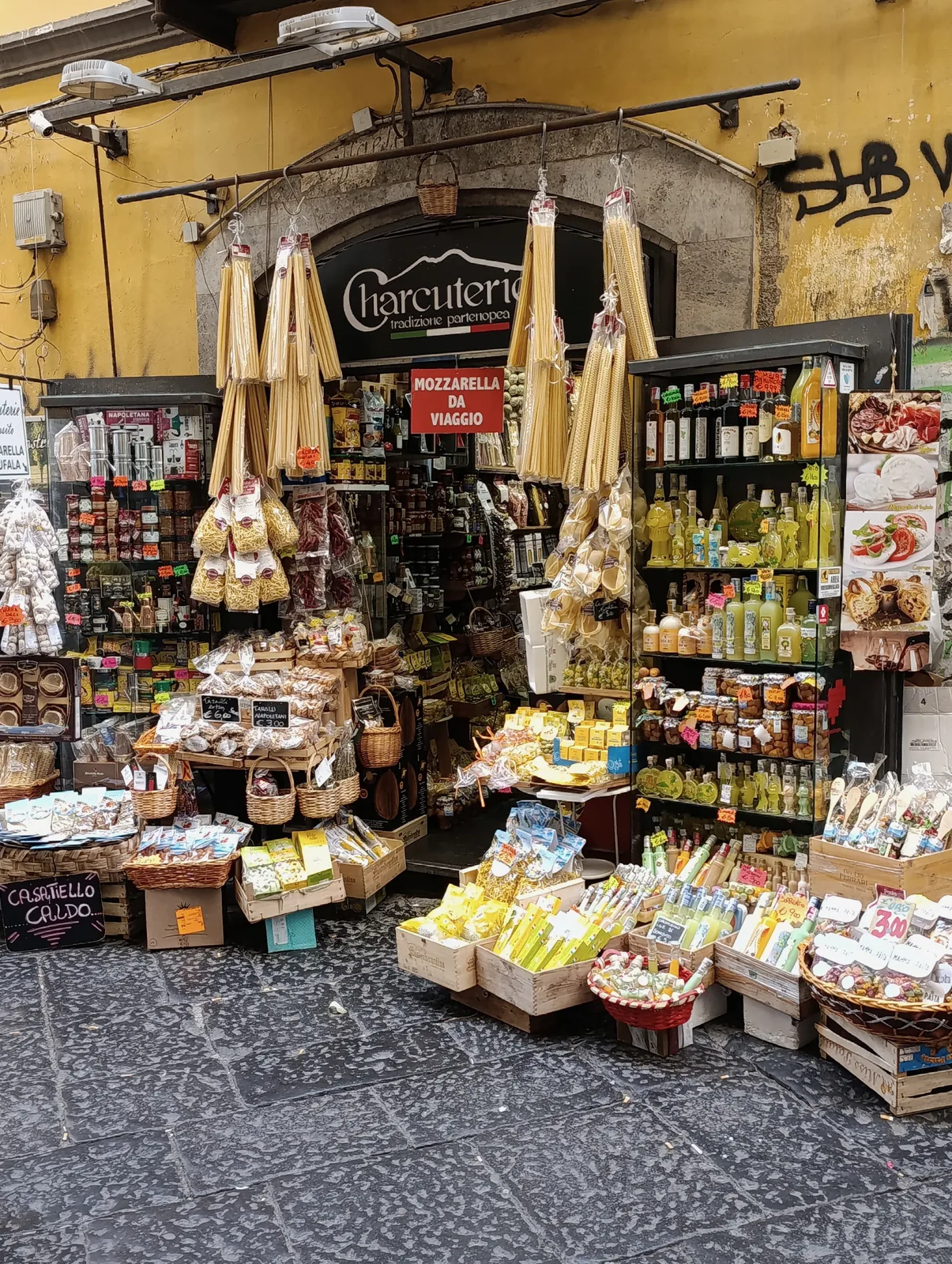 Venice, Italy
In this guide
Why Venice is different for allergies
Seafood appears throughout Venetian cooking. Sarde in saor is sardines with sweet-and-sour onions; bigoli in salsa is pasta with an anchovy- or sardine-based sauce. Learning these names helps you identify the ingredient questions to ask before ordering.
In the historic centre, everyday journeys involve walking and water transport. Check your route to accommodation, a supermarket and any planned meals, including bridges or steps that matter for your mobility. Keep your medication accessible while sightseeing.
Venetian dishes and hidden allergens
Use this table to prepare questions, then check the actual recipe with staff. It lists common ingredients and possible additions; it cannot establish what a particular kitchen uses or how it prevents cross-contact.
| Dish | Ingredients to check | Ask |
|---|---|---|
| Baccalà mantecato | Fish (cod), sometimes dairy; wheat if served on bread | Ask whether milk or cream is used during cooking or whipping, and whether it is served on bread or polenta. |
| Sarde in saor | Fish (sardines), sometimes wheat (flour coating), pine nuts and raisins | Ask about a flour coating before frying and whether this batch contains pine nuts. |
| Moeche | Crustacean (soft-shell crab), often egg and wheat (coating) | Ask how the crab is coated and what else uses the same frying oil. |
| Schie | Crustacean (tiny lagoon shrimp); wheat if flour-coated | Ask whether the shrimp are boiled or fried, and about any flour coating or shared oil. |
| Bigoli in salsa | Fish (anchovy or sardine), wheat; check whether the pasta contains egg | Ask about the fish in the sauce and the pasta ingredients; the sauce name alone is not an ingredient list. |
| Risotto al nero di seppia | Mollusc (cuttlefish ink and meat), possibly fish (stock) or dairy (butter) | Ask about the stock and finishing butter as well as the cuttlefish; name molluscs specifically. |
| Spaghetti alle vongole | Mollusc (clams), wheat (pasta) | Clams and wheat are part of the dish. For other allergies, check stock, additions and shared equipment. |
| Fritto misto | Fish, crustacean, mollusc (mixed), wheat (batter) | Ask which fish and shellfish are included, what the coating contains, and what else uses the oil. |
| Polpette | Egg, dairy (cheese), wheat (breadcrumbs), sometimes fish (tuna version) | Which meat or fish the polpette are made from; recipes differ bacaro to bacaro. |
| Tramezzini | Wheat (bread); egg, fish, crustaceans or dairy depending on filling | Ask for the filling ingredients and whether knives, boards and display trays are shared. |
| Fegato alla veneziana | Liver, onions; dairy if cooked in butter, variable stock ingredients | Whether the onions are cooked in butter or oil, and what stock, if any, is used. |
| Fritole | Wheat, egg, often milk; sometimes pine nuts or dried fruit | Ask about the dough, fillings, pine nuts and frying oil; recipes vary by baker. |
| Baicoli / zaeti | Wheat, dairy (butter), egg depending on recipe; cornmeal in zaeti | Cornmeal biscuits can also contain wheat flour. Check the dough ingredients before asking about shared trays. |
| Tiramisù | Egg, dairy (mascarpone), wheat (ladyfingers) | The recipe directly; Veneto claims the dish and every kitchen has its own version. |
EU allergen rules list fish, crustaceans and molluscs separately. Schie (shrimp) and moeche (crab) are crustaceans; vongole (clams) and seppia (cuttlefish) are molluscs. Name the specific groups you avoid. Pine nuts can also cause allergy but are not among the nuts specified in that regulation, so ask about them explicitly if relevant.
Point to your allergens in Italian and English at a bacaro counter
Build My Venice CardCicchetti and bacaro culture
A bacaro is a Venetian wine bar serving cicchetti: small bites such as crostini, fish spreads and fried snacks. Before choosing from the counter, ask for the ingredients and explain your allergy. Check whether serving utensils or trays are shared with foods you avoid.
Ask whether staff can prepare a suitable portion using checked ingredients, clean utensils and a clean work area. Plating a snack from the same display does not undo earlier cross-contact. Visiting outside the rush may give you more time to discuss the order; confirm what is possible before ordering a drink-and-food combination.
Shared equipment: what to ask
A small kitchen may have limited options for separate preparation, but size alone cannot tell you its procedures. Ask concrete questions: is the frying oil shared with fish or battered foods? Can staff use a clean pan and utensils? For gluten-free pasta, can they use fresh water? Check the ingredients first, then the handling.
The Rialto fish market is a place to buy raw seafood, not a source of reassurance about nearby restaurants. If fish handling or cooking exposure is a concern in your personal allergy plan, discuss that with your clinician before visiting. Choose restaurants by their answers about ingredients and preparation rather than their proximity to the market.
Where you stay changes the plan
The historic centre has six sestieri, or districts. Around Rialto and Piazza San Marco, and in Cannaregio, Castello or Dorsoduro, use the same checks: can you contact suitable meal options in advance, reach a supermarket, and navigate the route to your accommodation with your luggage?
For Murano, Burano, the Lido or Giudecca, check the current boat route and return schedule when planning a meal. Carry suitable backup food for outings where you may have fewer alternatives. Do not assume that a restaurant can accommodate your allergy simply because it is your only planned stop.
Mestre offers a mainland base with road access and train or bus connections to Venice. Staying in the historic centre puts you closer to sights and walking routes. Compare Venice accommodation options by cooking facilities, nearby groceries and everyday transport. Neither base guarantees a faster emergency response; call for help wherever you are.
Getting around, and getting help
ACTV operates the public vaporetto network. Check your route and accessibility needs before traveling: a short walk on a map can include bridges and steps. For arrival, confirm the airport and onward transfer to your accommodation rather than assuming a road taxi can reach its door.
A rental car is unnecessary for exploring the historic centre on foot and by boat. If continuing through the Veneto mainland, compare rail connections with driving for your actual itinerary before booking transport.
Supermarkets and self-catering
The historic centre has compact supermarkets, including branches of Coop, Conad and Despar. Check the nearest store's current hours and allow for limited selection. Packaged foods follow the same EU allergen-information rules as elsewhere in Italy. Read each product's full label, including precautionary statements, and buy suitable backup food before a longer island outing.
Emergency information for Venice
If you think you are having anaphylaxis, follow your personal action plan, use your prescribed emergency medication as directed, and call for urgent medical help. This is general travel information, not a replacement for advice from your doctor or allergist.
- Emergency number: For a medical emergency, call 118 (SUEM), Venice's medical emergency service.
- Water ambulances: Venice uses idroambulanze (water ambulances) for water access. Give the operator your sestiere, street or square, building number and a nearby landmark. Let dispatch arrange access; do not head to a vaporetto stop unless instructed.
- Ospedale Civile SS. Giovanni e Paolo, in the Castello sestiere, serves the historic centre. Let emergency dispatch determine the appropriate destination and access route.
- Ospedale dell'Angelo, in Mestre on the mainland, serves the mainland side and is reachable by ordinary road transport.
- Medication: Keep your prescribed medication with you on vaporetto trips and island outings rather than at your accommodation. If an auto-injector is lost or damaged, ask a pharmacist or doctor promptly about a replacement; stock and prescription rules vary. A pharmacist can direct you to the nearest on-duty pharmacy.
- Before your trip: build your Italian allergy card and save your accommodation's full address, including the sestiere and building number.
Build your Venice allergy card before you land. Ready to show at a bacaro counter or a restaurant table.
Build My Venice CardSources
This guide draws on EU food-information law, Italian government health guidance, AIC's gluten-free dining programme, and the official Italian emergency-number portal. It is intended as practical travel information, not medical advice.
- Regulation (EU) No 1169/2011 on the provision of food information to consumers (EUR-Lex): the EU regulation that treats crustaceans and molluscs as separate declared allergens, the distinction this guide makes throughout.
- Italian Ministry of Health: food allergies: official guidance on the 14 regulated allergens and food information duties for Italian food businesses.
- AIC: Alimentazione Fuori Casa listings: the current source for venues participating in the AFC gluten-free dining program, relevant to the wheat and pasta notes above.
- Comune di Venezia: medical emergencies directs callers to 118 (SUEM). Veneto’s September 10, 2026 update says 112 still uses transitional routing, with calls initially answered by the Carabinieri, while the new integrated call centers are developed.
Frequently asked questions
Which Venetian dishes contain fish or shellfish?
Sarde in saor contains sardines; bigoli in salsa commonly uses anchovy or sardine; baccalà mantecato is a cod spread. Moeche are soft-shell crabs, schie are shrimp, and nero di seppia refers to cuttlefish ink. Check sauces, stock and preparation as well as the main ingredient.
What is the difference between crustaceans and molluscs on Venetian menus?
Schie (shrimp) and moeche (soft-shell crab) are crustaceans. Vongole (clams) and seppia (cuttlefish) are molluscs. EU allergen rules list these groups separately, alongside fish. Name the groups you avoid rather than relying on the broad English term shellfish.
What are cicchetti, and what should I ask before ordering?
Cicchetti are small bar snacks, often displayed on a counter. Ask about each item's ingredients and shared utensils or trays. If staff offer a freshly prepared portion, confirm that they can use checked ingredients and clean equipment; a new plate alone does not remove earlier cross-contact.
How do I get emergency help in Venice?
Follow your personal action plan, use prescribed emergency medication as directed and call 118. Give your sestiere, street and building number, plus a nearby landmark. Venice uses water ambulances, but dispatch determines access; do not travel to a boat stop or hospital unless instructed.
Should I stay in Mestre or the historic centre with a food allergy?
Compare nearby groceries, cooking facilities, meal options and everyday transport. Mestre has mainland road access; the historic centre puts you closer to many sights. Neither location guarantees a particular emergency response time. Discuss any individual travel concerns with your clinician.
What if I lose an adrenaline auto-injector in Venice?
Seek replacement advice promptly from a pharmacist or doctor. Do not assume a particular pharmacy has stock or can dispense without a prescription. Carry your prescribed supply, keep it accessible, and ask a pharmacist about the nearest on-duty pharmacy.
Traveling to Venice with food allergies?
Create an Italian-English allergy card before your trip. Show it at bacari, trattorias, and restaurants across the sestieri.
Build My Venice Allergy Card- ✓ No Internet Needed
- ✓ Italian + English
- ✓ No Signup Required