 AllergyPass
Rome Food Allergy Guide:
What's Really in Roman Classics
From carbonara to supplì, Roman classics often combine wheat, egg and pecorino cheese. This guide explains the ingredients to check, the questions to ask about shared equipment, and how to plan meals around the city's sights.
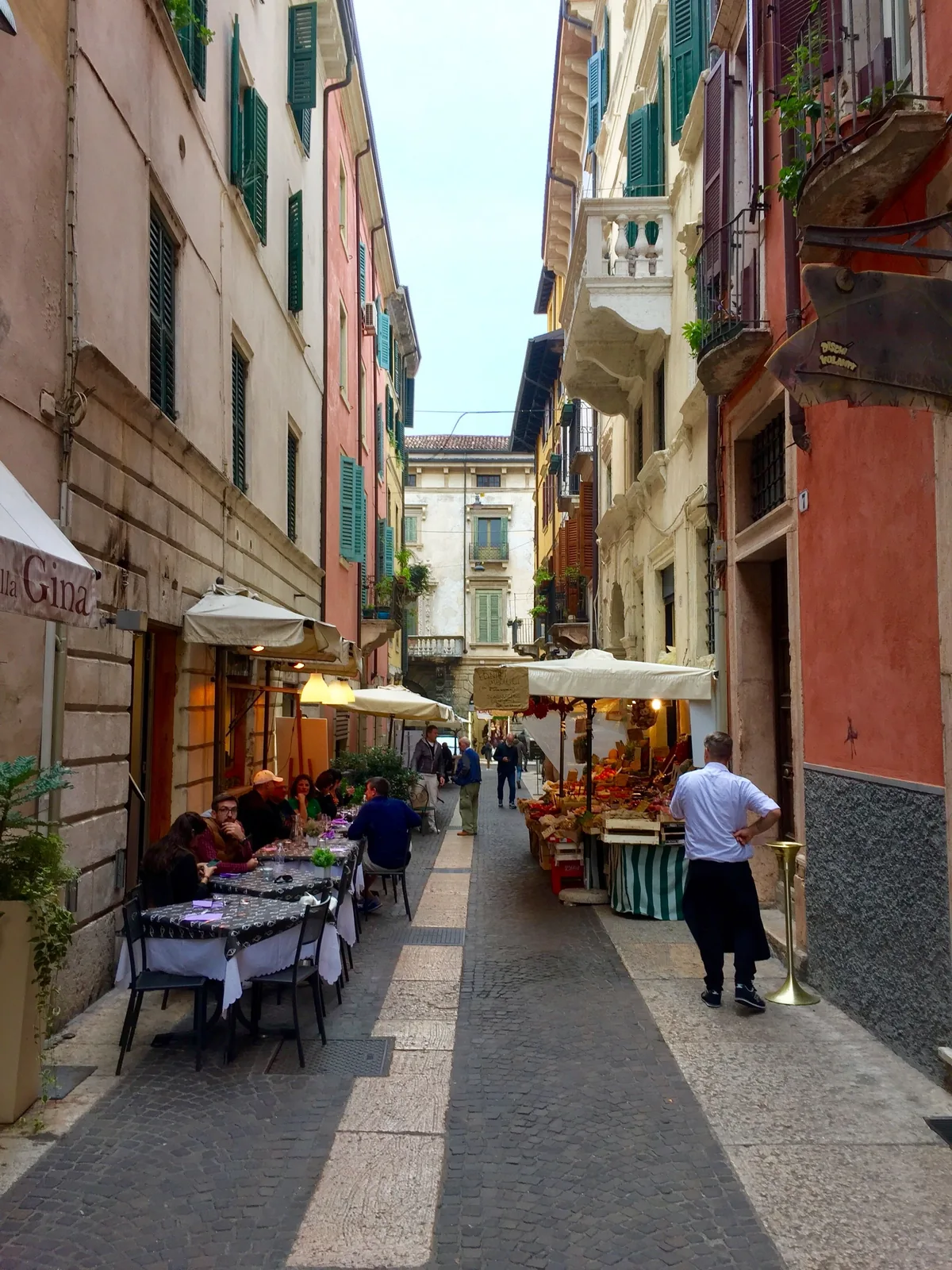 Rome, Italy
In this guide
Rome's classic dishes: what's actually in them
Several Roman pasta classics share pecorino romano (sheep's milk cheese), guanciale (cured pork jowl) and wheat pasta. Carbonara also contains egg. Learning those names helps you ask about the recipe, but each kitchen still needs to confirm its ingredients and handling.
Carbonara illustrates why one exclusion is not enough: asking to omit cream leaves the egg and pecorino unaddressed. Ask about the ingredients relevant to your allergy, including additions and substitutions.
Other dishes worth checking include saltimbocca (veal, prosciutto, sage, often dredged in flour and finished in butter, so pork, wheat, and dairy together), coda alla vaccinara (an oxtail stew that can include celery, pine nuts, raisins, and cocoa depending on the kitchen), and puntarelle (chicory dressed with an anchovy-garlic sauce that is easy to miss on a menu that only names the vegetable). The dish name alone may not identify these ingredients; check the allergen information and ask about the recipe.
Show a Roman server your allergens in Italian and English before you order
Build My Rome CardThe Roman-Jewish Ghetto and Rome's frying culture
Around Via del Portico d'Ottavia, Roman-Jewish food includes fried artichokes and battered fish. If a restaurant advertises kosher dining, ask what that means for its menu and preparation. A kosher-style description is not the same as religious certification or an allergy procedure, and neither replaces a conversation about your specific allergens.
Ask whether artichokes, battered salt cod and other fried items use the same oil. An ingredient list for the artichoke alone cannot answer that question. If the kitchen cannot accommodate the allergens on your card, choose another dish or venue.
Planning meals around Rome’s neighborhoods
Choose a restaurant by the answers it gives, wherever you are in Rome. Can the server check the recipe with the cook? Can staff explain how they prevent contact with your allergen? A quieter service may leave more time for that conversation; a short menu, higher price or family-run setting is no proof of better handling.
Vatican / Prati and Termini
For a visit to the Vatican Museums or a train from Termini, identify a meal option before your timed entry or departure. Contact the restaurant ahead of time so the allergy conversation does not compete with a travel deadline.
Centro Storico: Navona and the Pantheon
Around Piazza Navona and the Pantheon, compare menus and contact a restaurant before sightseeing. Moving a few streets away may give you more options, but assess each kitchen's answers rather than its distance from the square.
Trastevere
Trastevere is useful for an evening meal across the Tiber. When booking, explain your allergy and ask who will confirm the order when you arrive. A handwritten menu can describe the day's dishes, but you still need their ingredients and preparation details.
Testaccio
Testaccio offers traditional dishes and the covered Mercato di Testaccio. At market stalls, check each vendor separately. For dishes such as trippa or coda alla vaccinara, ask about the sauce, stock and garnishes as well as the meat.
Monti
Monti offers a meal stop near the Colosseum. Leave enough time before your next booking to discuss ingredients; seeing the kitchen or counter may help you ask specific questions, but cannot show how food was handled earlier.
Gelato, cornetti, and shared scoops
At a gelateria, check the flavor's ingredients and ask how the shop prevents cross-contact during production, storage and serving. A clean spatula helps only if the gelato has also been protected from earlier contact. Choosing a fruit flavor or a tub farther from the pistachio cannot confirm that. FARE explains why prior cross-contact still matters.
A cornetto is a breakfast pastry commonly made with wheat and often milk ingredients or egg. Check the dough, glaze and filling separately, then ask about the trays and tongs used for other pastries in the display.
Celiac disease and gluten-free shopping in Rome
For celiac disease, start with venues in AIC's Alimentazione Fuori Casa (AFC) network. Participants receive training and follow gluten-free preparation procedures. This does not imply a wholly separate kitchen or cover other allergies. Check the current listing and explain any additional allergens when booking; AIC Mobile Welcome offers temporary access for visitors.
Supermarket chains present across Rome, including Carrefour Express, Conad, and Coop, stock packaged gluten-free products alongside the EU's standard bold-type allergen labeling under Regulation 1169/2011, which covers all 14 EU-recognized allergens, not gluten alone. Read the full ingredient list yourself rather than relying on front-of-pack claims, since those cover only the allergen the claim names.
For the pork and cheese ingredients discussed above, ask: C'è guanciale o pecorino in questo piatto? (Is there guanciale or pecorino in this dish?). Pair an ingredient question with your allergy explanation; it does not cover every possible source of pork or milk.
Emergency information for Rome
If you think you are having anaphylaxis, follow your personal action plan, use prescribed emergency medication as directed, and get urgent medical help. This is general travel information, not a substitute for advice from your doctor or allergist.
- Emergency number: In Rome, 112 answers ambulance, police and fire calls. Near a landmark, give its name and the nearest street: sites such as the Vatican Museums and the Colosseum have several entrances.
- Pronto Soccorso: Rome hospitals include Policlinico Agostino Gemelli, Policlinico Umberto I and Ospedale Isola Tiberina – Gemelli Isola (formerly Fatebenefratelli); Bambino Gesù provides pediatric care. For an emergency, let dispatch direct you rather than choosing a hospital yourself.
- Medication: Keep your prescribed medication on you during long sightseeing days rather than in a hotel safe. If it is lost or damaged, talk to a pharmacist or doctor promptly; stock and prescription rules vary. Closed pharmacies post the address of the current farmacia di turno (on-duty pharmacy) on their door.
- Before your trip: build your Italian allergy card so a trattoria server can take it straight to the cook.
A room with a kitchenette and a nearby supermarket gives you a fallback when eating out is uncertain. If using Rome hotel listings, confirm the room's cooking equipment directly with the property before booking.
Build your Rome allergy card before you land. Hand it over before you order pasta, supplì or gelato.
Build My Rome CardSources and current details
AFC participation, menus and opening hours change. Check AIC's Alimentazione Fuori Casa listings for current AFC venues, the official Numero Unico di Emergenza 112 page for Italy's emergency number, the Italian Ministry of Health's food allergy information for the national picture beyond gluten, and Regulation (EU) No 1169/2011 for the EU's 14-allergen labeling rules that apply to packaged food across Italy.
Frequently asked questions
How can I choose a restaurant in Rome with a food allergy?
Ask whether staff can check ingredients with the cook and explain how your order will be prepared. Location, menu design and restaurant size tell you little about allergy handling. Contact the venue before you go and confirm the plan when ordering.
What allergens are in Rome's classic pasta dishes?
Carbonara usually contains wheat, egg and pecorino cheese, plus guanciale (pork). Cacio e pepe contains wheat and pecorino; amatriciana and gricia also use guanciale. Recipes and pasta types vary, so check each component rather than relying on the dish name.
What should I ask about Rome's fried snacks?
Check both the ingredients and the frying oil. Supplì commonly contains wheat, egg and mozzarella. Fried artichokes may share oil with battered salt cod or other foods. Ask whether the kitchen can prepare a suitable alternative if the fryer is shared with your allergen.
Do I need to stay in a particular Rome neighborhood for allergy-friendly dining?
No neighborhood guarantees suitable preparation. Choose a base that works for your itinerary and gives you access to groceries and restaurants you can contact ahead. Leave time to confirm your order, especially around train departures or timed sightseeing bookings.
How can I find gluten-free pasta and pizza in Rome?
Check AIC's current Alimentazione Fuori Casa listings and contact the venue about its gluten-free service. AFC participation involves staff training and preparation procedures for celiac disease; it does not cover every food allergy. Discuss wheat allergy or any additional allergens separately.
What should I do for a severe allergic reaction in Rome?
Follow your personal emergency action plan, use prescribed emergency medication as directed and call 112 for urgent help. Tell the operator your street address or nearest landmark and stay on the line. Bring your prescribed medication supply and arrange replacement advice promptly if it is lost or damaged.